Charging a vape can feel routine: connect it, set it down, and return later. Yet its battery and charging electronics need careful handling. A frayed cable, an unsuitable power adapter, or a hot surface can increase risk. Small choices matter.
How to charge your vape safely starts with the manufacturer’s instructions. Use the recommended cable and power source, and check both for damage before connecting them. Place the device on a dry, stable, nonflammable surface, away from bedding, paper, and direct sunlight. Keep it in view while it charges. Avoid leaving it plugged in overnight or while you are away. Simple, but easy to overlook.
Stop charging if the device becomes unusually hot, swells, leaks, smells strange, or shows other signs of damage. Disconnect it only if you can do so safely, and follow the maker’s guidance for next steps. Don’t open, alter, or attempt to repair a battery yourself. Vape designs differ, so advice for one model may not fit another. That limitation matters. A quick glance at the manual may prevent a risky guess, though manuals are not always clear. If instructions are missing, contact the manufacturer rather than improvising. Safe charging is less about complicated rules than steady attention to the device, cable, and surroundings.
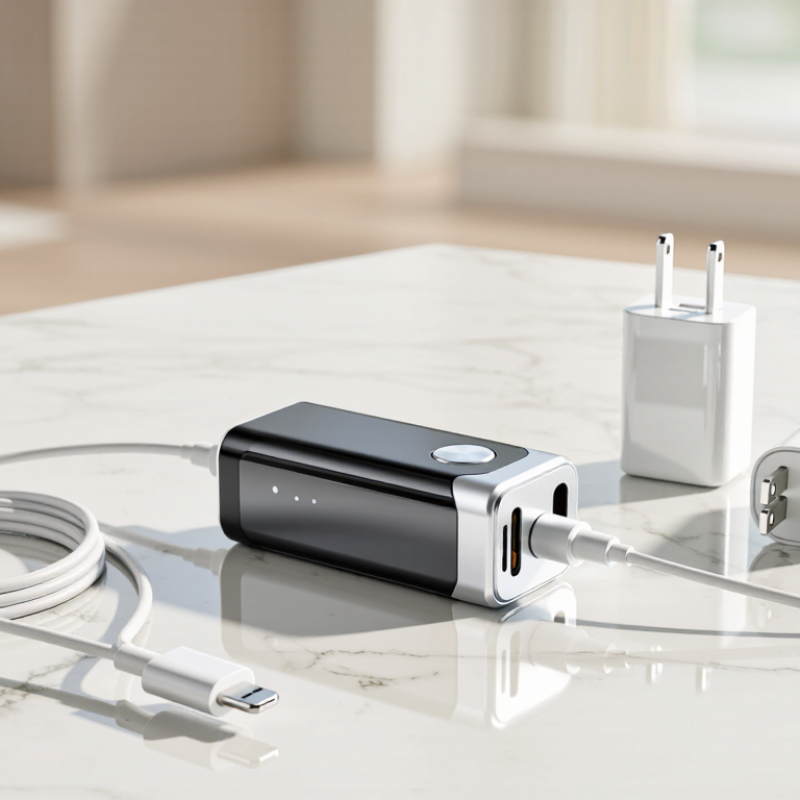
Why Should You Charge Your Vape Safely?
How Vape Batteries Store Energy and Generate Heat During Charging
A vape’s lithium-ion battery stores energy through chemical changes inside its cell. During charging, lithium ions move through the electrolyte toward the anode, while electrons travel through the charging circuit. This process produces some heat. The cell’s internal resistance adds more, like a tiny, steady warmth beneath the casing. Excessive heat can signal a problem, especially if the battery is damaged or charging equipment is unsuitable. Warmth alone is not a reliable safety test.
The U.S. Fire Administration’s 2017 report, Electronic Cigarette Fires and Explosions, documented 195 incidents from 2009 through 2016. These figures cover reported fires and explosions, not charging incidents alone. They still show why battery condition and charging habits deserve attention. A device may seem fine until it does not; our judgment by touch is imperfect.
Tips: Charge on a hard, clear surface, away from bedding and paper. Use the charging equipment specified for the device, and unplug it when charging is complete. Stop charging if the battery or device becomes unusually hot, swollen, or damaged. Don’t leave it charging unattended.
| Topic | What Happens | Why It Matters | Safer Charging Practice |
|---|---|---|---|
| Energy storage | Most rechargeable vape devices use lithium-ion cells. Charging moves lithium ions within the cell, storing electrical energy as chemical energy. | The cell is designed to operate within specified voltage, temperature, and charging limits. | Use the charging method and accessories specified for the device, and follow its instructions. |
| Charging voltage | Many single-cell lithium-ion batteries have a nominal voltage around 3.6–3.7 volts and a typical full-charge voltage of about 4.2 volts. Battery designs can differ. | Charging beyond a cell’s specified limits can damage it and increase the risk of overheating or failure. | Do not assume every device uses the same battery limits. Use only a compatible charger and device-approved charging setup. |
| Charging stages | Lithium-ion charging commonly uses a controlled constant-current stage followed by a constant-voltage stage, during which the charging current gradually decreases. | Controlled charging helps prevent excessive current and voltage, but it does not make damaged batteries safe. | Stop using a battery or device that is swollen, leaking, unusually hot, or visibly damaged. |
| Heat generation | Some heat can arise from electrical resistance in the battery, connections, and charging circuit. Higher current can increase resistive heating. | Excessive heat may indicate a fault, poor connection, incompatible charger, or battery damage. | Charge on a stable, non-combustible surface in a dry, well-ventilated area. Disconnect the device if it becomes unusually hot. |
| Charging environment | Heat can build up when a device is covered, placed in direct sunlight, or charged near other heat sources. | Elevated temperature can stress a lithium-ion battery and increase fire risk. | Keep the device uncovered and away from bedding, paper, direct sunlight, and hot surfaces while charging. |
| Charging supervision | A fault may develop while a battery is charging, even when the device normally operates as expected. | Leaving a charging device unattended can delay noticing warning signs. | Do not leave it charging unattended or overnight. Unplug it when charging is complete, following the device instructions. |
| Cable and connection | Worn cables, loose ports, or damaged connectors can cause unreliable charging and localized heating. | A poor electrical connection may interrupt charging or create excess heat. | Inspect cables and ports before use. Do not charge with frayed cables, damaged connectors, or a loose-fitting plug. |
| Warning signs | Swelling, leakage, a burning smell, unusual noise, smoke, or excessive heat can signal battery failure. | A failing lithium-ion battery can present a fire or injury hazard. | Stop charging. If it is safe to do so, disconnect the power source, move away, and follow local emergency guidance if smoke or fire occurs. |
Lithium ions move through the cell’s electrolyte toward the anode. Electrons travel through the charging circuit. This process creates some heat.
No. Some warmth can occur during charging, but touch alone is not a reliable safety test. Watch for unusual heat.
Stop if the device becomes unusually hot, swollen, damaged, or smells strange. Do not keep charging a damaged device.
Use the cable and adapter specified or approved for the device. A connector that fits may still be unsuitable. Check the manual and adapter label.
Choose a hard, clear surface, away from bedding, paper, curtains, water, and direct heat. Keep the area uncluttered.
It is safer to stay nearby and unplug it when charging is complete. Avoid charging unattended or overnight. Easy to forget.
A 2017 report documented 195 reported vape fires and explosions from 2009 through 2016. The figures do not cover charging incidents alone or show risk among all users.
Stop using it, and disconnect it if safe. Use dry, undamaged equipment. I might reach for a spare cable without checking; that deserves a pause.
Vape batteries store energy chemically and release it as electrical power, but charging also generates heat. When that heat builds up, or a cell is damaged, the chance of battery failure can increase. A review of 195 U.S. vape fire and explosion reports from 2009 to 2016, documented by the U.S. Fire Administration, highlights why careful charging and battery handling matter. Overcharging, worn or damaged cells, and poorly matched chargers can add unnecessary risk.
How to charge your vape safely starts with using only equipment approved by the device’s manufacturer and following its charging instructions. Charge on a stable, nonflammable surface, keep the device away from extreme heat, and avoid leaving it unattended for long periods. Watch for warning signs such as unusual heat, swelling, leaking, strange odors, or visible damage. If any appear, stop charging and using the device, keep it away from flammable materials, and seek appropriate guidance.

 TAV Vape