The phrase “best disposable vape” can hide an important question: how long will a device actually last? In 2026, product descriptions may highlight estimated puff counts, but those figures do not guarantee a fixed number of days. Puff length, frequency, battery capacity, and e-liquid volume all affect real-world lifespan. Small differences add up.
Why do disposable vapes have shorter life than expected? Sometimes the battery runs out before the liquid does. In other cases, frequent, longer draws use the liquid faster than a puff estimate suggests. Cold storage, device damage, or a manufacturing fault may also affect performance. A blinking light or weak vapor can signal low battery, though indicators vary by model.
This overview explains how to assess lifespan claims without treating advertising estimates as test results. It also considers practical details, such as checking the stated battery and liquid capacity, reading manufacturer instructions, and noticing whether performance changes during ordinary use. Exact comparisons require consistent testing; user reports alone can be misleading. That limitation matters.
A disposable device is not designed for repair or refilling. Do not open, modify, or puncture one. Follow local guidance for battery and electronic-waste disposal, and keep devices away from children and pets. If you do not use nicotine, do not start. For adults who already vape, this guide offers a careful way to compare expected lifespan, not a promise that any device will last a particular number of puffs.
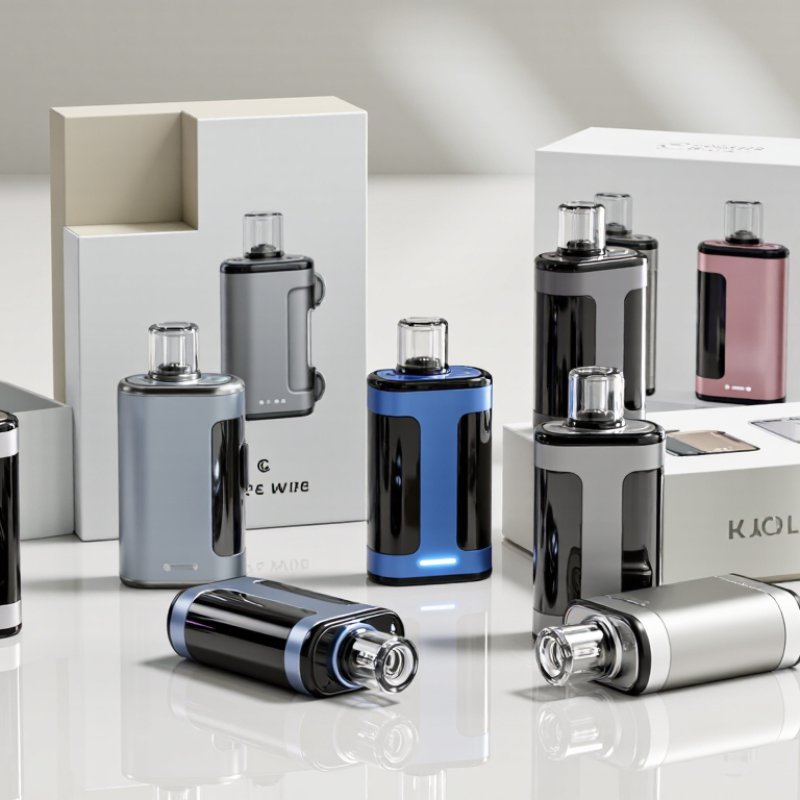
Disposable-vape lifespan is commonly shown as a puff count, but that figure is an estimate, not a guaranteed number. It usually assumes short, consistent draws under test conditions. A person taking longer pulls may use the liquid faster. Numbers are estimates. Not a stopwatch.
Battery capacity is measured in milliamp-hours, or mAh. A higher mAh rating can indicate more stored charge, but it does not translate directly into a set number of puffs. Power settings, coil design, and battery condition also affect how long the device operates. Two devices with similar ratings may perform differently.
Liquid volume is measured in milliliters, or mL. More liquid can support more draws, provided the battery lasts long enough. These measures describe different limits: puff count estimates use, mAh describes battery capacity, and mL indicates liquid volume. In practice, one limit may run out first. For example, a device may stop working while some liquid remains. Room temperature and draw length can also shift the result, which makes neat comparisons imperfect. Check the product’s stated measurements and instructions rather than treating one number as a precise lifespan.
A disposable vape’s usable life depends on both its e-liquid and its battery. The examples below are calculations for comparison, not product-performance claims; actual results vary with device design and use.
| Measure | What It Tells You | Example or Calculation | Why It Can Be Misleading |
|---|---|---|---|
| Puff count | The estimated number of draws under a particular test method. | At an assumed liquid use of 0.003–0.005 mL per puff, 2 mL works out to roughly 400–670 puffs. | Puff duration, draw strength, airflow, and testing conditions change liquid use. A printed puff count is not a guaranteed number for every user. |
| E-liquid capacity (mL) | The approximate volume of liquid available to produce vapor. | Estimated puffs = liquid volume (mL) ÷ liquid used per puff (mL). For example, 5 mL ÷ 0.004 mL per puff = 1,250 estimated puffs. | The assumed amount used per puff is only an example. Real consumption can vary substantially, and not all liquid may be vaporized before the device stops working. |
| Battery capacity (mAh) | The battery’s rated electrical charge capacity; mAh means milliamp-hours. | A 500 mAh rating describes charge capacity, not a fixed number of puffs or hours of use. | Battery life also depends on voltage, power output, coil resistance, device efficiency, and draw pattern. mAh values alone cannot reliably predict puff count. |
| Battery–liquid balance | Whether the battery and e-liquid are likely to run out at a similar point. | A device may stop producing vapor when either the battery is depleted or the usable liquid is exhausted. | If the battery runs out first, some liquid may remain. If the liquid runs out first, a charged battery cannot extend the device’s usable life. |
| Actual lifespan | The time or number of draws a person gets before the device no longer works as intended. | Record the date of first use and the number of days or draws until depletion to compare devices under similar use. | Personal use varies. Storage conditions, interruptions between uses, and differences in draw length can affect comparisons. |
Note: Puff estimates in this table use an illustrative consumption range of 0.003–0.005 mL per puff. They are simple calculations, not a standardized testing result or a guarantee of device lifespan.
No. It is an estimate from controlled testing, not a promise for everyday use. Not a stopwatch.
It describes stored electrical charge. It does not convert directly into a fixed puff count.
It shows the amount of liquid inside. The battery may stop working before all the liquid is used.
Longer pulls may use more liquid per draw. Frequent draws can also change how quickly output fades.
Testing methods and assumed puff sizes can vary. A bare number leaves out useful details.
Those figures help, but coil design, airflow, and battery condition matter too. Neat comparisons are imperfect.
Look for capacity figures, battery details, instructions, warnings, and clear compliance information. Pause if details conflict.
Do not use one with uneven heating, leaking, or a swollen casing. Small warning signs matter.
No. These products are not risk-free or appropriate for minors and people who do not already use nicotine. Numbers can mislead.
This guide explains how disposable vape lifespan is estimated using advertised puff counts, battery capacity in mAh, and e-liquid volume in mL. Puff figures are not exact guarantees: they can change with draw length, frequency, airflow, and the conditions used for testing. As a result, two devices with similar advertised counts may provide different real-world use.
It also looks at how battery size, coil resistance, and e-liquid consumption interact, and why a device may stop working when either its battery or liquid runs out. The question “Why do disposable vapes have shorter life” is considered through these practical factors rather than puff count alone. For comparing 2026 models, readers should check capacity and battery information alongside applicable EU TPD limits, including 2 mL e-liquid capacity and 20 mg/mL nicotine strength, where relevant.

 TAV Vape