Vaping has become increasingly popular, but issues with devices can arise unexpectedly. Understanding how to troubleshoot vape devices at home is essential for all users. Expert in vape technology, Dr. Emily Harper, emphasizes, “Every vapist should know basic troubleshooting to enjoy a seamless experience.” This knowledge empowers users to address common problems independently.
When encountering issues like poor vapor production or leaking liquids, the first step is often identifying the root of the problem. Check battery levels and connections. These simple tasks can resolve many malfunctions. However, not every problem is straightforward. For instance, a burnt coil may require a deeper understanding of your device.
Many users face frustration when their devices fail. Reflecting on past experiences can help inform better future practices. Ultimately, knowing how to troubleshoot vape devices at home equips users with confidence and enhances their overall vaping enjoyment.
Understanding Common Vape Device Issues
When dealing with vape devices, it's essential to recognize common issues that may arise. Many users face problems such as leaking, burnt tastes, or low vapor production. Identifying these issues can lead to simple fixes that save time and frustration. For instance, leaking often occurs when the coil is improperly installed or the tank isn't tightened. Regularly checking these components can prevent messy situations.
Another frequent issue is a burnt taste when using a vape. This can signify that the coil has burnt out. It’s crucial to replace coils as needed and to ensure that the cotton is adequately saturated before use. Inadequate e-liquid levels can also contribute to this unpleasant flavor. Continuously monitoring your vape's liquid level is vital for a smooth experience.
Low vapor production often indicates a clogged airflow or a worn-out coil. Clearing out the airflow paths or replacing the coil can usually restore proper function. Experimenting with device settings or using different e-liquids may also provide insights. Reflecting on these common problems helps users understand their devices better. You gain a sense of control over the situation and enjoy your vape experience more fully.
Identifying Signs of Malfunction in Your Vape
When it comes to vape devices, identifying signs of malfunction can save time and frustration. Common issues include poor vapor production, burnt flavor, and leaking e-juice. According to industry reports, nearly 30% of vapers experience these problems regularly. A quick inspection can often reveal the root cause.
Check the battery. If it's not charging properly, you may need a replacement or cleaning. Observe the connections. Corrosion can build up over time, leading to inconsistent performance. A simple wipe down can sometimes restore functionality. Be aware of the tank. If e-juice is leaking, the seals may be damaged or worn out.
Tips: Always clean your device regularly. This helps prevent buildup that can lead to malfunction. Monitor your juice levels closely. Low e-liquid can cause dry hits and damage your coil. If these issues persist, consult with a professional for guidance. Don't ignore the signs. Addressing small problems early can prevent bigger issues down the line.
How to Troubleshoot Your Vape Devices at Home Easily? - Identifying Signs of Malfunction in Your Vape
| Issue |
Possible Signs |
Troubleshooting Steps |
Recommended Solution |
| No Vapor Production |
Device is on, but no vapor is emitted. |
Check battery charge, ensure device is assembled correctly, and examine the coil for damage. |
Replace the coil and ensure the tank is filled with e-liquid. |
| Burnt Taste |
Unpleasant burnt flavor during use. |
Inspect the wick for burning or dry spots; ensure e-liquid is adequately saturating the coil. |
Replace the coil and allow it to soak in e-liquid for a few minutes before use. |
| Leaking E-liquid |
E-liquid is escaping from the tank or device. |
Examine the O-rings and seals; check for tightness of tank and connections. |
Replace faulty O-rings and ensure all components are securely fastened. |
| Battery Issues |
Device fails to power on or shuts down unexpectedly. |
Check battery connections, try a different battery if applicable, and inspect for signs of damage. |
Replace the battery if it is not holding charge or is damaged. |
| Overheating |
Device feels excessively hot during use. |
Stop using the device, check for short circuits, and ensure that no settings are incorrectly adjusted. |
Allow the device to cool down and reset to factory settings if necessary. |
Basic Tools and Materials Needed for Troubleshooting
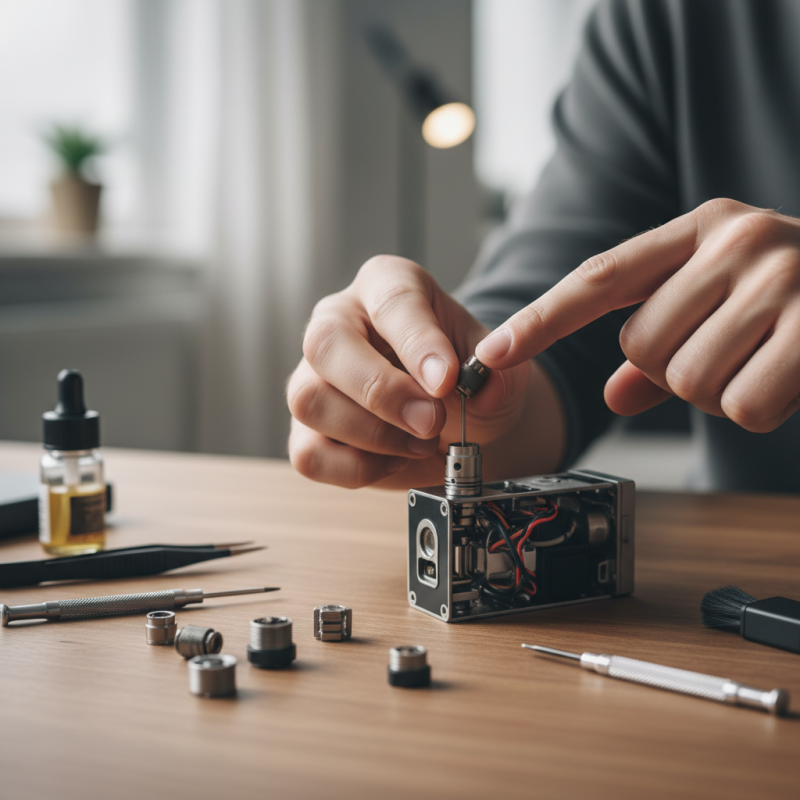
Troubleshooting your vape devices at home can be simple with the right tools and materials. Start by gathering a small toolkit. Essential tools include a screwdriver set, tweezers, and a multimeter. These items help you identify and solve issues effectively. Don't forget to have cleaning materials handy, such as cotton swabs and alcohol wipes.
When working on your device, safety is paramount. Always disconnect the battery before starting any repairs. Inspect the connections carefully. Loose connections are common in vape devices. Tighten any screws that appear too loose. If you notice a strange smell or excessive heat, pause your work and assess the situation closely.
Tips for effective troubleshooting: use a multimeter to check battery voltage. Knowing the battery's status is crucial. If it's low, recharge it, or replace it. Consider stocking up on spare parts like coils or wicks. Having backups on hand can save time during a malfunction. Lastly, use a clean workspace. Clutter can lead to mistakes and misplacing small parts.
Step-by-Step Guide to Fixing Vape Battery Problems
When your vape battery isn’t performing as expected, troubleshooting at home can save you time and money. Start by inspecting the battery contacts. Dust or residue can hinder connection. Use a dry cloth to gently wipe them. If the battery is removable, ensure it's properly seated. Many issues arise from loose connections.
Next, check for signs of damage on the battery and the vape device. Look for cracks or corrosion. A damaged battery can be unsafe. If you notice bulging or excessive heat, it's best to replace the battery. Remember, safety comes first.
Sometimes, the charging cable may be the culprit. Try a different charger to rule out this issue. A faulty cable can mimic battery problems. Avoid using chargers not designed for your device. This helps prevent further issues. Regular maintenance can enhance battery life. Clean the contacts often and replace worn parts. Reflecting on these steps can lead to better vaping experiences.
Cleaning and Maintenance Tips for Optimal Performance
Cleaning your vape device is essential for maintaining optimal performance. Over time, residue can build up, affecting the flavor and vapor production. A regular cleaning routine can prevent many common issues and prolong the life of your device.
One tip is to disassemble your device. Remove the tank and coil, making sure to cleanse each part separately. Use warm water to rinse out the tank.
For coils, a gentle soak in a mixture of vinegar and water can remove stubborn buildup. After soaking, rinse thoroughly and let them dry completely before reassembling.
Another useful tip is to clean the mouthpiece. This area often accumulates grime and bacteria. Wipe it down with a cotton swab dipped in isopropyl alcohol. This not only cleans but also sanitizes the surface.
Regular maintenance will enhance your vaping experience significantly. When you clean, reflect on your routine. Are you skipping steps? A careful approach is key to effective maintenance.
Keeping your device clean pays off. The clearer the tank, the more satisfying the vape.
FAQS
: Common issues include leaking, burnt tastes, and low vapor production.
Check if the coil is installed correctly and if the tank is tightened.
A burnt taste may mean the coil is burnt out or the cotton is dry.
Replace coils regularly and ensure the cotton is well-saturated with e-liquid.
Low vapor may indicate clogged airflow or a worn-out coil.
Clear airflow paths and consider replacing the coil for better vapor.
Essential tools include screwdrivers, tweezers, and a multimeter.
Use a multimeter to measure the battery voltage and recharge if low.
Low e-liquid can cause dry hits and damage the coil, affecting performance.
If you detect strange smells or excessive heat, stop and assess the situation immediately.
Conclusion
In the article "How to Troubleshoot Your Vape Devices at Home Easily," readers will gain essential insights into common issues that may arise with vape devices. It provides guidance on identifying signs of malfunction, which is crucial for ensuring a smooth vaping experience. The article outlines basic tools and materials needed for troubleshooting, making it accessible for users looking to address problems independently.
Moreover, a step-by-step guide specifically addresses how to troubleshoot vape devices at home, particularly focusing on battery issues. The piece also emphasizes the importance of regular cleaning and maintenance for optimal performance, ensuring that users can keep their devices functioning efficiently. Overall, this guide serves as a valuable resource for both novice and experienced vapers seeking to enhance their knowledge of device care and troubleshooting.

 TAV Vape