Temperature control is a critical aspect of vaping. Many users underestimate its importance. However, understanding "why is temperature control important in vaping" can enhance the overall experience.
Proper temperature management influences flavor and vapor production significantly. When the device heats e-liquids to optimal levels, it brings out rich flavors. A lower temperature might not activate all flavor notes. Conversely, excessive heat can produce harsh tastes and harmful compounds. Users must find a balance for their preferences.
Many vapers experiment with different settings, yet not all grasp their impact. Inconsistent temperature can lead to an unsatisfactory vape. Reflecting on personal experiences can guide adjustments in settings. Developing awareness of temperature influence helps achieve a more enjoyable vaping experience.
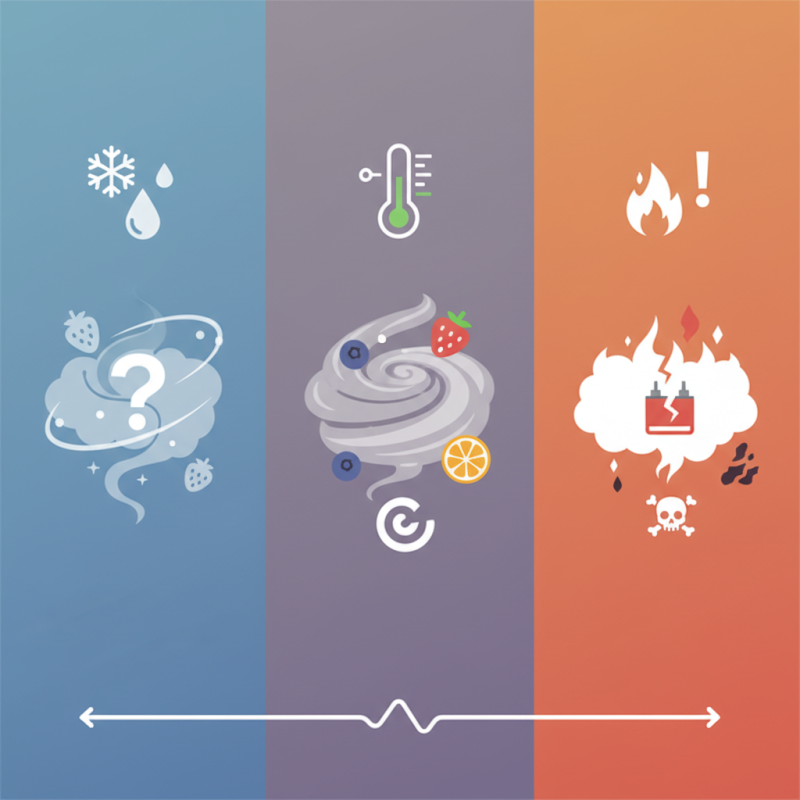
Temperature control is vital in vaping. It significantly impacts the flavor and quality of the vapor. When the temperature is too high, it can burn the material. This results in a harsh taste and can produce harmful by-products. Finding the right balance is essential for an enjoyable experience.
One of the key aspects of vaping is understanding how different temperatures affect your device. Lower temperatures often enhance the flavor profile of your e-liquid, providing a smoother inhale. Conversely, higher temperatures may offer larger vapor clouds but sacrifice taste. Many vapers experiment with settings to discover their ideal temperature range.
However, some users may struggle with control. They might overlook this crucial factor in pursuit of bigger hits. This can lead to frustration and poor satisfaction. Being mindful of temperature settings can enhance the overall vaping experience. A thoughtful approach can make all the difference in achieving vaping success.
Temperature plays a crucial role in the chemistry of e-liquids. When vaping, the heat applied to the e-liquid affects flavor delivery and vapor production. Different e-liquids have varying components, such as propylene glycol and vegetable glycerin. These elements react differently at various temperatures, which can lead to undesirable outcomes if not regulated.
High temperatures can produce harsh flavors and decrease the overall quality of the vapor. At the same time, low temperatures might not sufficiently vaporize the liquid. This balance is vital for a satisfying vaping experience. Understanding the chemistry behind the components can help users achieve better results.
Vapers often overlook the importance of consistent temperature control. Some might assume all settings work the same for every e-liquid. This is not true. Experimenting with different settings can lead to unexpected results. Balancing heat with the specific e-liquid can greatly enhance flavor profile and vapor quality. It’s an art that requires practice.
Temperature plays a vital role in the vaping experience. It directly influences both flavor and vapor production. Research shows that the ideal temperature range for e-liquids typically falls between 375°F to 400°F. At this range, users can enjoy a balanced taste without risking burnt flavors. Too low a temperature can lead to underwhelming vapor production, while high levels can cause harsh hits.
Many vapers struggle to find their sweet spot. As temperatures rise, the flavor intensity increases, but so do the risks of unwanted byproducts. A report from the National Institute of Health highlights that heating e-liquids beyond 450°F can produce harmful substances. This indicates the necessity for precise temperature control to safeguard health while maximizing enjoyment.
Different e-liquids have varying responses to temperature changes. For instance, fruity flavors might be best enjoyed at slightly lower temperatures, while dessert profiles shine at higher ranges. Many users overlook this nuance, leading to subpar experiences. Understanding these dynamics can elevate one’s vaping journey. The art of temperature control is an ongoing learning process, where every puff becomes a step toward optimization.
| Temperature (°C) | Flavor Quality | Vapor Production | Throat Hit Strength |
|---|---|---|---|
| 150 | Mild, less pronounced | Low | Light |
| 180 | Balanced | Moderate | Smooth |
| 220 | Rich, intense | High | Strong |
| 240 | Burnt, harsh | Very High | Irritating |
Inadequate temperature regulation during vaping can lead to several risks. When the temperature is too high, harmful chemicals can form. Users may inhale substances that are not intended. This is particularly concerning, as many are seeking a safer alternative to smoking.
Conversely, low temperatures can result in poor vapor quality. The flavor may be muted and unsatisfying. This can frustrate users and lead them to increase the device’s setting, potentially creating a cycle of misuse. It’s crucial to find the right balance for an optimal experience.
Experts suggest monitoring device settings carefully. Understanding the ideal temperature range for specific e-liquids can enhance satisfaction. Users should consider personal preferences but also recognize the risks associated with extremes. A commitment to learning and adjusting is essential for a successful vaping experience.
Temperature control plays a pivotal role in vaping success. It influences flavors, vapor production, and the overall experience. Achieving the right temperature is essential for extracting the best qualities of your e-liquid. Flavors can become muted or even unpleasant when overheated.
To achieve optimal temperature, use devices with precise temperature settings. Many advanced vaporizers offer adjustable controls. This allows you to fine-tune the heat for different e-liquids. Higher temperatures tend to produce more vapor but can damage sensitive flavor compounds. Experiment with gradual temperature changes to find what works best for you.
Tips: Always start with a lower temperature. Gradually increase it until you discover your preferred flavor profile. Additionally, regularly clean your device. Residue buildup can affect performance and flavor consistency. Don't forget to check battery levels; low power can lead to inconsistent heating, impacting your vaping session.
: Temperature control affects flavor and vapor quality. High temperatures can burn material, leading to a harsh taste.
Lower temperatures enhance flavor, ensuring a smoother inhale. Higher temperatures produce larger clouds but may sacrifice taste.
Many users overlook temperature control, focusing only on larger hits. This often leads to frustration and poor satisfaction.
E-liquids vary in components. Different temperatures can produce undesirable flavors or inadequate vapor production if not managed.
High temperatures can create harmful chemicals. Inhaling these substances poses serious health concerns for users.
Low temperatures may result in muted flavors and poor vapor quality, leading to user dissatisfaction.
Experimenting with settings is essential. Understanding each e-liquid's specific needs can enhance the vaping experience.
Inconsistent control can lead to unexpected outcomes. It's vital to find the right balance for optimal satisfaction.
Users should balance personal preferences and the associated risks. Learning and adjusting is key for successful vaping.
A mindful approach to temperature settings can create higher satisfaction and improve overall enjoyment while vaping.
Temperature control is a critical factor in vaping, as it directly influences the efficiency and safety of the experience. Understanding why temperature control is important in vaping involves recognizing the chemistry of e-liquids, where different temperatures can significantly alter the composition and flavor profile. Adequate regulation of temperature not only enhances flavor and vapor production but also minimizes harmful byproducts that can arise from overheating.
Furthermore, the potential risks associated with inadequate temperature regulation include compromised safety and suboptimal vaping experiences. By adhering to best practices for achieving optimal temperature, vapers can ensure a more satisfying and safe experience, making temperature control an indispensable aspect of successful vaping.

TAV Vape