Vaping has gained immense popularity. It provides a unique way to enjoy flavors and nicotine without traditional smoking. However, many users often ask, "Why do vape devices sometimes overheat?" Overheating can lead to a range of issues, including reduced device lifespan and, in some cases, safety hazards. Understanding the reasons behind this phenomenon is crucial for every vaper.
Several factors contribute to vape device overheating. Poor-quality materials, high wattage settings, or improper handling can cause devices to heat excessively. Additionally, ongoing usage without adequate breaks can lead to overheating. It's essential to recognize these triggers to prevent potential risks.
Users should remain aware of their devices. Regular maintenance, using quality products, and allowing devices to cool are effective strategies. Reflecting on your vaping habits can also lead to safer usage. By prioritizing these practices, vapers can enhance their experience while ensuring safety and reliability.
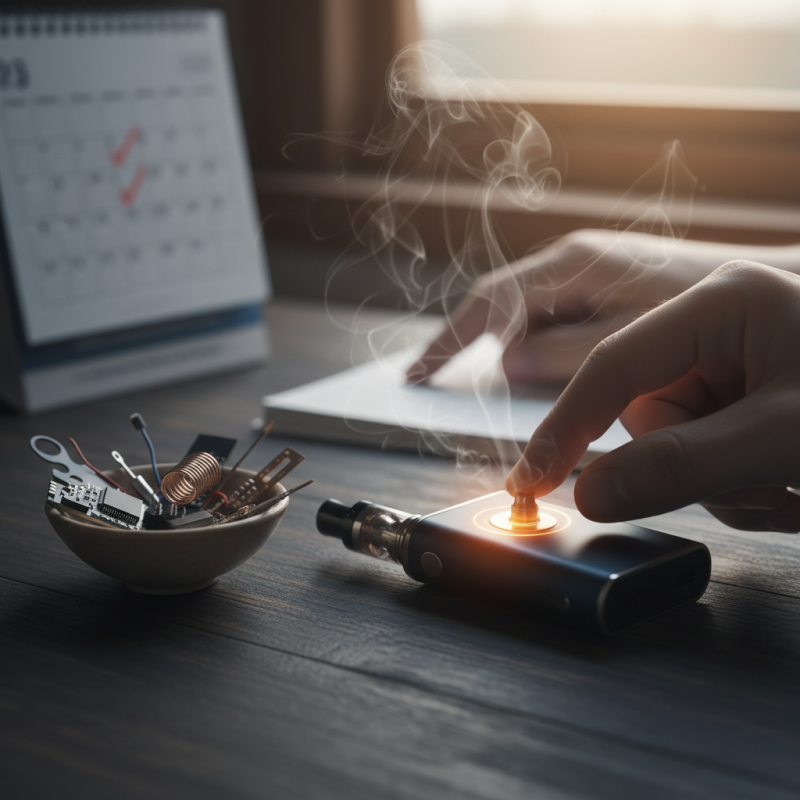
Vape device overheating is a significant concern among users. According to a study by the National Institute for Health, overheating can lead to battery malfunctions, which increase risks of fires and explosions. The devices typically contain lithium-ion batteries that function optimally within a certain temperature range, usually between 20°C and 25°C. Exceeding this range can cause thermal runaway, a serious condition where the battery overheats uncontrollably.
Common causes of overheating include poor ventilation, extended usage, and faulty batteries. A report from the Battery Safety Organization noted that about 30% of overheating incidents result from restricted airflow, which can trap heat. Proper maintenance can mitigate this risk. Regular cleaning and allowing devices to cool down between uses can enhance safety.
It's critical to remain vigilant about signs of overheating, such as unusual warmth or strange odors. The risks involved can be severe, with some users reporting skin burns and equipment damage. Learning about these dangers and incorporating preventive measures is essential for ensuring a safer vaping experience. Ignoring these factors can lead to unnecessary risks.
| Reason for Overheating | Description | Prevention Tips |
|---|---|---|
| Poor Ventilation | Inadequate airflow can cause the device to heat up excessively. | Ensure proper airflow around the device; avoid using in enclosed spaces. |
| High Wattage Settings | Using settings that exceed the device’s specified limits can lead to overheating. | Stick to recommended wattage settings provided by the manufacturer. |
| Faulty Batteries | Damaged or defective batteries can overheat and pose safety risks. | Regularly inspect batteries for damage and replace when necessary. |
| Short Circuits | Electrical shorts can cause rapid temperature increases. | Use devices with built-in safety features; maintain dry and clean connections. |
| Overcharging | Excessive charging can lead to battery failure and overheating. | Avoid leaving devices charging overnight; use chargers that match specifications. |
| Dirty Connections | Residue buildup can hinder electrical performance and lead to overheating. | Regularly clean device connections with appropriate materials. |
| Using Non-Compatible Components | Components not designed for specific devices can cause overheating. | Always use components that are compatible with your device. |
| Overuse | Extended sessions can cause devices to heat up significantly. | Take breaks between uses to allow cooling. |
| Insufficient E-Liquid | Low e-liquid levels can lead to dry hits and overheating. | Ensure adequate e-liquid in the tank before use. |
| Environmental Factors | High temperatures or direct sunlight can adversely affect device performance. | Store and use devices in cool, shaded areas. |
: Common causes include poor ventilation, extended usage, and faulty batteries.
Regular cleaning and allowing devices to cool can help mitigate overheating risks.
Signs include unusual warmth, strange odors, or excessive heat during use.
Discontinue use immediately to prevent potential accidents or injuries.
Battery care is crucial. Overcharging can lead to overheating, so use recommended chargers.
Avoid high wattage settings unless necessary, as they can produce excessive heat.
Yes, overheating can lead to skin burns or equipment damage.
Cleaning regularly helps prevent residue buildup that can cause overheating.
No, avoid leaving the device plugged in overnight to prevent overheating risks.
Taking breaks allows the device to cool down and reduces the risk of overheating.
Vape device overheating is a common concern among users, prompting the question, "Why do vape devices sometimes overheat?" This phenomenon can occur due to various factors, including poor ventilation, excessive wattage settings, and malfunctioning batteries. Understanding these causes is crucial as overheating can lead to serious risks, such as reduced device lifespan and safety hazards.
To prevent overheating, users should adopt preventive measures such as maintaining proper airflow, avoiding continuous use without breaks, and regularly checking battery health. Best practices for safe vaping include following manufacturer guidelines for usage and conducting routine maintenance. Additionally, recognizing the signs of overheating—such as unusual heat or a burnt taste—allows users to address issues promptly, ensuring a safer and more enjoyable vaping experience.

 TAV Vape