In the rapidly evolving world of vaping, consumers face a daunting challenge: distinguishing between genuine and counterfeit vape hardware. Experts like Dr. John Renn, a well-known vaping safety advocate, emphasize, "Identifying counterfeit vape hardware is crucial for consumer safety." This statement underscores the importance of vigilance and knowledge in protecting oneself from potentially harmful products.
With the rise of counterfeit devices, it has become essential to learn how to identify counterfeit vape hardware. Often, these fake devices mimic genuine brands but may use inferior materials or compromise safety features. Many users unknowingly purchase these knock-offs, placing themselves at risk.
Common indicators can help in spotting counterfeit products. Check packaging for spelling errors or poor-quality print. Genuine brands often provide detailed information about the product, including safety certifications. Always verify the seller's reputation and look for online reviews. Awareness and attention to detail are vital in ensuring a safe vaping experience.
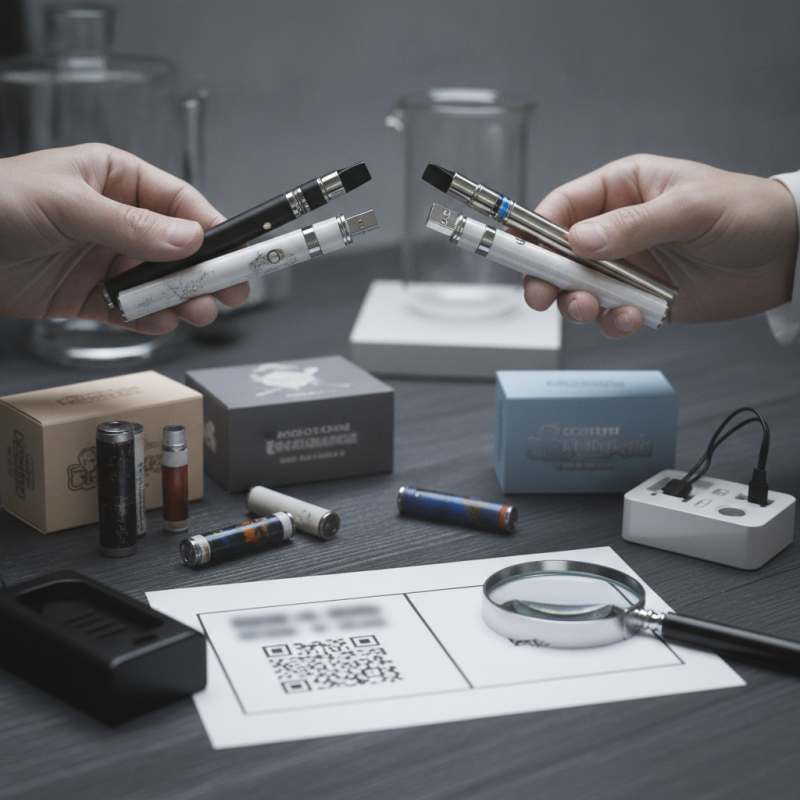
Understanding genuine vape hardware is essential for anyone in the vaping community. The rise in demand has led to a surge in counterfeit products. Reports indicate that approximately 30% of vape devices in the market may be fake. This alarming statistic underscores the importance of being informed.
Authenticity can often be gauged by examining packaging and product details. Authentic vape hardware typically includes unique serial numbers and holographic seals. Many counterfeit devices lack these features. Quality is another indicator. Genuine devices are usually well-manufactured, while fakes may have rough edges or poorly applied logos.
Consumer education plays a vital role in combating counterfeit products. A study from industry experts suggests that user awareness significantly reduces the chances of purchasing fake hardware. Remember, if a deal seems too good to be true, it probably is. Slow down and assess what you are buying. Take time to compare products, ask questions, and trust your instincts.
Identifying fake vape hardware is essential for safety and quality assurance. According to recent industry reports, over 30% of vape products in the market are counterfeit. This highlights the need for consumers to be vigilant.
One common indicator of fake vape hardware is the packaging. Authentic products have high-quality, printed packaging with clear logos and details. Look for misspellings or low-resolution images. Many legitimate brands include batch numbers and expiration dates, which are often missing in counterfeit goods. A study by the Vapor Technology Association reveals that around 45% of fake products lack proper labeling.
Another telltale sign is the price. If a deal seems too good to be true, it often is. Genuine products reflect a consistent price point supported by industry standards. Low-cost alternatives may compromise ingredients or safety measures.
Also, inspect the build quality. Authentic vape devices use durable materials and precise engineering. Fake hardware often feels lightweight or poorly constructed. Always check for reviews and community feedback; this can reveal previously reported counterfeits.
When assessing vape hardware, packaging plays a crucial role. Authentic products often display high-quality materials and clear labeling. Look for smooth edges and consistent colors on the box. Counterfeit products may have blurry graphics or uneven textures, indicating poor production quality. A closer inspection can reveal subtle flaws.
Pay attention to the details. Real products usually include a holographic seal or specific safety icons. Counterfeit packaging may lack these features or have them poorly reproduced. Check for spelling errors. Legitimate brands prioritize professionalism, while fakes often overlook this aspect. Packaging design should reflect the brand's identity consistently.
Be cautious with the overall presentation. Authentic products often come with inserts that provide information about the product and usage instructions. Fake products might skip this, leaving you in the dark. It's not just about appearance; functionality matters. If you notice anything odd, it’s a red flag. Reflect on your choices and the importance of ensuring what you buy is genuine.
| Feature | Authentic Product | Counterfeit Product |
|---|---|---|
| Packaging Quality | High-quality, durable materials | Thin, flimsy packaging |
| Label Information | Clear, detailed information including ingredients | Vague or missing product information |
| Barcodes | Working, scannable barcodes | Broken or missing barcodes |
| Holograms | Authentic, consistent holographic stickers | Poorly printed or absent holograms |
| Color Quality | Vibrant and consistent colors | Faded or inconsistent colors |
| Seal of Authenticity | Visible and verifiable seal | No seal or poorly made seal |
Verifying the authenticity of vape hardware involves a careful approach. Start by assessing the vendor's reputation. Look for online reviews and community feedback. Engaging with user forums can provide insights. If many users report issues, consider it a red flag. Ensure the vendor has clear contact information. Genuine sellers typically have responsive customer service.
Next, check for official brand certifications. Manufacturers often have specific markings or holograms that signify authenticity. Familiarize yourself with these details. Cross-reference with the brand’s website for validation. Packaging can also reveal important clues. Authentic products often have high-quality packaging, unlike cheaper knock-offs.
While exploring these methods, remain cautious. Even experienced vapers can misidentify products. Stay informed about counterfeit trends. Continually educate yourself on how to discern quality hardware. The vaping community values both safety and authenticity. Relying only on one source may lead to mistakes. Multiple perspectives often reveal the complete picture.
Identifying fake vape hardware can feel overwhelming. However, technology offers effective tools for detection. One method is using mobile apps designed for scanning barcodes. These apps can reveal genuine or counterfeit status quickly. Many counterfeit products lack proper barcodes or have poorly printed ones. Scanning can help avoid wasted money and disappointment.
Additionally, some devices come equipped with integrated technologies. Serial number verification features allow users to confirm authenticity. Entering these numbers into a manufacturer’s website can confirm if a product is legitimate. Many counterfeiters do not replicate this feature.
Visual inspection is another straightforward technique. Genuine devices often feature consistent branding and quality materials. Poorly made labels or components usually indicate a fake. Observing these details helps build a stronger awareness of what to expect from authentic products. There is still a learning curve, and one must stay vigilant against subtle distinctions.
This chart illustrates the percentage of detected fake versus authentic vape devices in a recent analysis. The statistic indicates that 35% of the devices analyzed were identified as counterfeit, highlighting the need for effective detection methods.
: Check the packaging quality. Authentic packaging has clear logos and high-resolution details. Look for batch numbers.
If the price seems too low, be cautious. Genuine products usually have consistent pricing in the market.
Authentic devices should feel durable and well-constructed. Fake hardware often feels light and poorly made.
A reputable vendor usually has positive reviews. Many complaints can indicate a seller to avoid.
Look for official markings or holograms. Cross-check these details on the brand’s website for validation.
High-quality packaging is a sign of legitimacy. Fake items typically use cheap materials in their packaging.
Participate in user forums to gain insights. Community feedback may reveal hidden issues with certain brands.
Yes, even experienced users can misidentify hardware. Stay informed about trends and educate yourself continuously.
Genuine sellers often have responsive customer service. Clear contact information is usually a sign of authenticity.
Always check multiple sources for product reviews. Relying on one source can lead to misleading conclusions.
In today's market, knowing how to identify counterfeit vape hardware is crucial for ensuring a safe and satisfying vaping experience. Understanding the fundamentals of vape hardware and authenticity can help consumers recognize the common indicators of fake products. Signs such as poor quality materials, unusual packaging, and misprints on labels are essential red flags to watch for.
Additionally, analyzing the packaging and verifying the authenticity of brands and vendors can significantly reduce the chances of purchasing counterfeit devices. Utilizing technology, such as QR codes or authentication apps, can provide further assurance of a product's legitimacy. By following these guidelines, consumers can navigate the vape market more effectively and make informed decisions, ensuring they invest in genuine hardware.

TAV Vape