A legal CBD vape product is not defined by a label alone. It must satisfy the laws of the country, state, or region where it is sold and used. Rules may address CBD source, THC limits, ingredients, manufacturing, advertising, age restrictions, and vaping-device standards. The U.S. Food and Drug Administration states that it has approved only one CBD medicine, while most commercial CBD products remain outside that approval pathway. Therefore, “hemp-derived” does not automatically mean legally marketable or medically proven.
Industry data shows why careful evaluation matters. Grand View Research’s 2024 Cannabidiol Market Size, Share & Trends Analysis Report identifies continued growth in consumer CBD demand, including inhalable formats. Growth can encourage better manufacturing, but it can also expose shoppers to inconsistent labels and weak testing. The World Health Organization’s Expert Committee on Drug Dependence reported that pure CBD generally shows good tolerability, yet this finding does not validate every vape formula or inhalation claim. The distinction is important.
How to choose CBD vape products legally requires more than checking CBD strength. Look for a recent, product-specific certificate of analysis from an independent laboratory. It should display CBD content, THC results, contaminants, heavy metals, pesticides, and residual solvents. Check the batch number against the bottle. Examine the ingredient list closely. Avoid products with vague blends, unsupported health promises, or unclear manufacturer details. A sealed cartridge and a clean, readable label are practical signs, not proof.
Rules change. Even careful buyers can misread them. Verify current local guidance before purchasing, and consult a qualified healthcare professional about inhalation risks, medication interactions, or respiratory conditions. Legal status and personal safety are separate questions. Both deserve attention.
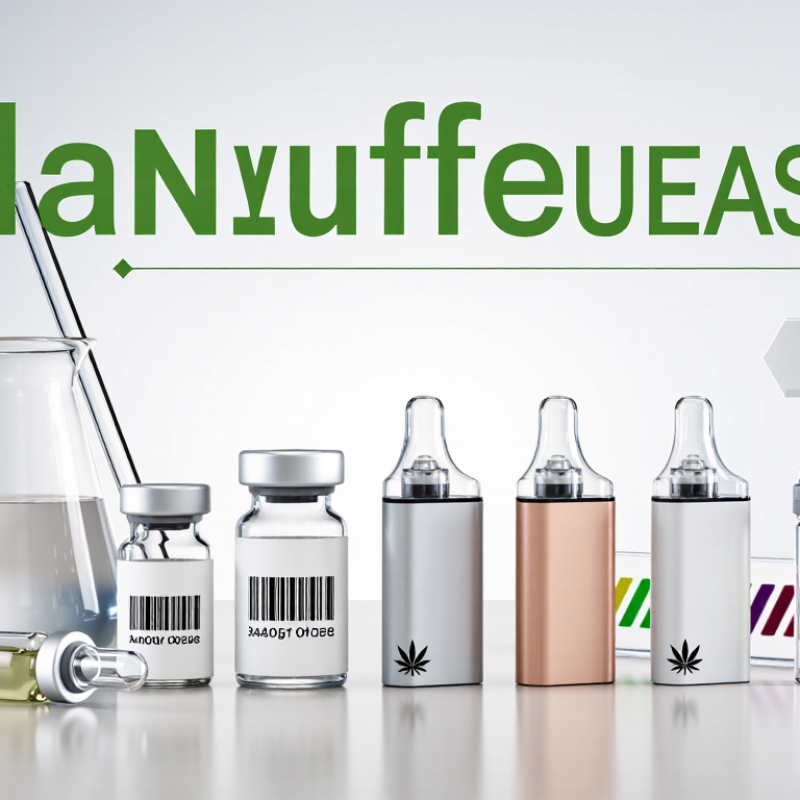
A legal CBD vape product is defined by compliance, not by the word “natural” on its label. Its legality depends on the rules in the buyer’s jurisdiction, including permitted CBD sources, cannabinoid limits, manufacturing standards, and sales requirements. A compliant product should show a batch number, ingredient list, net quantity, manufacturer details, and clear usage warnings. It should not make disease-treatment claims.
Look for a recent, batch-specific certificate of analysis from an independent laboratory. The report should identify CBD content and screen for THC, heavy metals, pesticides, residual solvents, and microbial contamination. A 2017 JAMA study tested 84 CBD products and found that only 31% were accurately labeled for CBD concentration. That finding still matters. Labels can be imperfect. Laboratory evidence is stronger.
The vape formulation also deserves scrutiny. Check whether the carrier ingredients are clearly disclosed, and avoid products with unexplained additives or vague “proprietary blends.” A legal product may still be unsuitable for every user. Legal does not mean risk-free. The World Health Organization’s 2018 critical review found limited evidence of CBD-related harm, but it also emphasized the need for better safety data.
I would treat missing test dates, unreadable reports, and dramatic health promises as practical warning signs. Some decisions remain uncertain. That is precisely why careful verification matters.
A legal CBD vape product is not defined by the word “CBD” alone. Its status depends on local rules governing hemp, cannabinoids, vapor devices, and product claims. In one jurisdiction, a product may be permitted if THC remains below a stated limit. Another location may require a prescription, special retail license, or no sale at all. Rules can also change between national, state, provincial, and municipal authorities. The label is only one part of the evidence.
Before buying, check the current government health or consumer-protection website for your location. Look for a batch number, ingredient list, manufacturer contact, and independent laboratory report. The report should identify CBD and THC levels, test date, and basic contaminant screening. Avoid products with vague “legal everywhere” promises. Those claims are rarely precise. Shipping rules deserve separate attention. A product allowed at home may face restrictions across a border or in another region.
Age limits, advertising language, and public-use rules may apply even when retail sales are allowed. Some authorities restrict inhaled products more strictly than oils or capsules. That difference matters because vape liquids may involve device safety standards and additives. A practical mistake is trusting familiar packaging without checking the latest notice. Online forums are useful leads, not legal authority. Regulations are imperfectly explained, and official pages can lag behind policy changes. When wording is unclear, pause and ask the relevant regulator or a qualified local professional.
CBD vape laws differ by location, and the THC limit shown below is not a universal legal limit for finished vape products. It represents the stated threshold used in selected hemp or low-THC cannabis rules.
How to use this information: Check the applicable local rules for THC content, product testing, labeling, ingredients, age restrictions, licensing, and permitted sales channels. A product that meets a hemp threshold may still be restricted as a vape product in a particular jurisdiction.
Reference points: U.S. federal hemp definition: 0.3% delta-9 THC; European Union hemp cultivation threshold: 0.3% THC; United Kingdom industrial hemp licensing threshold: 0.2% THC; Switzerland’s non-narcotic cannabis threshold: below 1.0% total THC. Regulations may change and local rules can be stricter.
A legal CBD vape product is not defined by the word “CBD” alone. In the United States, hemp-derived products generally must contain no more than 0.3% delta-9 THC by dry weight under federal law. State rules can be stricter, especially for inhalable products. The World Health Organization’s 2018 critical review found that pure CBD shows limited evidence of abuse potential, but that finding does not approve every vape formula. Legal status still depends on the product’s ingredients, testing, and location.
Cannabinoid limits deserve close attention. A recent analysis published in the Journal of Cannabis Research found substantial differences between labeled and measured cannabinoid levels in commercial CBD products. Check the certificate of analysis, batch number, test date, and laboratory identity. The report should show CBD, delta-9 THC, and other cannabinoids separately. “Less than 0.3% THC” needs context; it does not automatically mean zero THC or compliance everywhere. That detail is easy to miss.
Ingredients matter just as much. Avoid formulas with vitamin E acetate, unknown thinning agents, or unnecessary flavor chemicals. CDC investigations linked vitamin E acetate strongly with the 2019 vaping-associated lung injury outbreak, although those findings focused mainly on illicit THC products. Look for testing of residual solvents, pesticides, heavy metals, and microbial contamination. A clean-looking cartridge proves little. I would also question vague terms such as “all natural.” They sound reassuring, but they are not laboratory evidence. Consumer reports and professional testing both show that labels can be incomplete, so cautious verification remains necessary.
A CBD vape product can be legal only when its ingredients and cannabinoid levels meet local requirements. Laws differ by jurisdiction. A label should state CBD per device, net volume, ingredients, batch number, manufacture date, and contact details. Check the batch. The cannabinoid profile should not merely claim “hemp.” Look for a recent, batch-specific certificate of analysis from an independent laboratory. The report should name testing methods, units, detection limits, and ideally ISO/IEC 17025 accreditation. In practical label reviews, I also compare the batch number with the company’s online report. Mismatched numbers are warning signs.
The COA should cover CBD, other cannabinoids, pesticides, heavy metals, residual solvents, and microbial contaminants. For vape liquids, inspect thinning agents and flavoring details carefully. The CDC’s 2019–2020 EVALI investigation strongly linked vitamin E acetate with lung injury. This finding does not prove every additive is unsafe. It does make vague “natural flavors” claims less reassuring. A 2017 JAMA study tested 84 CBD products. Only 31% matched their labeled CBD content. About 43% contained more CBD, while 26% contained less. The data are older, but still useful. A clean package can hide weak testing. I would pause when a report lacks a test date, sample identity, or clear pass criteria. “Compliant” alone is not enough.
A legal CBD vape product should meet the rules where you live. Regulations differ, so check current official guidance before buying. Look for a clear CBD amount, a complete ingredient list, and an independent laboratory report. The report should show cannabinoid levels and screening for pesticides, heavy metals, solvents, and microbes. A polished label is not proof of quality.
How you use the product matters just as much. Choose a device with sealed, undamaged packaging and follow the manufacturer’s instructions. Do not modify the battery or charge it overnight. Take one small inhalation, then wait before considering more. Effects can vary with body size, medication, tolerance, and product strength. Avoid driving, alcohol, and important decisions after use. CBD is not automatically harmless, and vaping may irritate the lungs.
Tips: Keep the device away from children, pets, heat, and direct sunlight. Avoid products with unclear additives or exaggerated health claims. Speak with a qualified healthcare professional if you take medication, have a respiratory condition, or are pregnant or breastfeeding. Stop using it if you notice chest pain, breathing difficulty, severe dizziness, or an unusual reaction. This is easy to overlook. Keep the laboratory report and purchase details for reference. Even careful choices cannot remove every uncertainty.
How to Choose and Use a CBD Vape Responsibly
| Selection Dimension | Reliable Information or Target | How to Check It | Responsible-Use Consideration |
|---|---|---|---|
| Legal status | In the United States, hemp-derived products generally must contain no more than 0.3% delta-9 THC by dry weight under federal hemp law. State and local rules may be stricter. | Check the laws where the product is purchased, possessed, and used. Do not rely only on the word “hemp” on the label. | Do not transport or use a product across jurisdictions without confirming the applicable rules. |
| CBD and THC disclosure | The label should state the total CBD amount, CBD concentration, total THC amount, and serving or inhalation information when available. | Reject products with missing, contradictory, or unusually vague cannabinoid information. | Even small amounts of THC may matter for impairment, drug testing, age restrictions, or personal sensitivity. |
| Independent laboratory testing | A current certificate of analysis should confirm cannabinoid content and screen for contaminants. | Match the laboratory report to the product name, lot number, batch number, or other identifiable code on the package. | Prefer testing from an independent laboratory with clear test methods and results rather than an undated or generic report. |
| Contaminant screening | Relevant testing may include pesticides, heavy metals, residual solvents, microbial contamination, and other substances associated with the formulation. | Review the full laboratory report, not just a “tested” statement or a single cannabinoid result. | Do not use a product if the report is unavailable, incomplete, or shows a failed result. |
| Ingredients | Ingredients should be clearly listed, including the carrier liquid, flavorings, terpenes, and any additives. | Avoid products with undisclosed ingredients, unnecessary additives, or claims that the formula is completely risk-free. | People with allergies, respiratory conditions, or medication concerns should consult a qualified healthcare professional before use. |
| Device and formulation compatibility | CBD vape liquids and disposable devices should be designed for inhalation and used only as directed by the manufacturer. | Follow the instructions for the specific device. Do not refill a disposable device or mix liquids unless the instructions explicitly allow it. | Do not modify batteries, use damaged hardware, or combine incompatible cartridges and batteries. |
| Product condition | The package should be sealed, intact, labeled, and traceable to a batch or lot. | Check the seal, expiration or best-by information, ingredient list, and storage instructions before opening. | Do not use products with leaks, damaged packaging, unusual separation, burnt odor, or unexpected changes in appearance. |
| Dose approach | There is no universally established inhaled CBD dose that is appropriate for everyone. | Follow product instructions and record the amount used and any effects. Avoid repeated use before assessing your response. | Start conservatively, avoid combining with alcohol or intoxicating substances, and stop if unwanted effects occur. |
| Possible effects and risks | CBD may cause effects such as drowsiness, diarrhea, changes in appetite, or interactions with medicines. Vaping can irritate or harm the lungs. | Review current medical conditions and medicines with a healthcare professional, especially sedatives, blood thinners, or medicines processed by the liver. | Seek medical help for breathing difficulty, chest pain, severe dizziness, confusion, or other serious symptoms. |
| Age and vulnerable groups | Legal age requirements vary by jurisdiction. Safety during pregnancy, breastfeeding, and adolescence has not been adequately established. | Check local age restrictions and avoid use by minors unless specifically directed by a qualified healthcare professional. | People who are pregnant, breastfeeding, planning surgery, or managing chronic conditions should obtain professional advice first. |
| Marketing claims | CBD products should not be assumed to diagnose, treat, cure, or prevent disease merely because advertising makes those claims. | Be cautious of promises of guaranteed results, instant cures, or “zero-risk” vaping. | Use CBD as a personal-consumer decision, not as a substitute for prescribed treatment or medical evaluation. |
| Storage and disposal | Follow the label’s storage instructions and keep the product away from children, pets, heat, and direct sunlight. | Store the device upright when recommended, protect batteries from metal objects, and dispose of batteries according to local requirements. | Keep all CBD vape products and e-liquids in their original packaging and out of reach of children and animals. |
Important: Laws and regulations differ by country, state, and locality. CBD vaping is not risk-free, and a laboratory report does not prove that inhalation is safe.
Legality depends on local rules, permitted ingredients, cannabinoid limits, testing, and sales requirements. A product should show its batch number, ingredients, quantity, manufacturer details, and usage warnings. “Natural” proves nothing.
In the United States, hemp-derived products generally must contain no more than 0.3% delta-9 THC by dry weight federally. Some states impose stricter limits, especially on inhalable products. Check local rules.
It should identify the tested batch, laboratory, test date, methods, units, and detection limits. The results should list CBD, delta-9 THC, other cannabinoids, pesticides, heavy metals, solvents, and microbes. A missing batch number is concerning.
Compare the report’s batch number with the number printed on the cartridge or package. Check the manufacture date and sample identity, too. Numbers must match.
A study of 84 CBD products found that only 31% matched their labeled CBD concentration. Some products contained more CBD, while others contained less. Labels can fail.
Avoid vitamin E acetate, unexplained thinning agents, and vague proprietary blends. Look for clearly disclosed carriers and flavoring ingredients. A clean-looking cartridge proves little.
No. Legal status confirms compliance with certain rules, not suitability for every person. Research on long-term inhalation risks remains limited. Uncertainty remains.
Be cautious when reports lack test dates, clear pass criteria, or readable results. Dramatic disease-treatment claims are another warning sign. I would hesitate.
A legal CBD vape product is one that complies with the rules in the place where it is sold and used. These rules may differ by country, state, or region, especially regarding permitted cannabinoid levels, product testing, packaging, age requirements, and sales channels. Before buying, check the current local regulations and select products made with clearly identified ingredients. Avoid formulas containing unnecessary additives, nicotine, or substances that are not approved for inhalation.
To learn How to choose CBD vape products legally, read the label carefully and confirm the CBD amount, batch number, recommended use, and manufacturer information. A recent independent laboratory report should verify the cannabinoid profile, potency, and screening for contaminants such as heavy metals, pesticides, and unwanted solvents. Use the product only as directed, begin cautiously, store it safely, and stop using it if you experience discomfort. When regulations or product information are unclear, consult a qualified healthcare professional or local authority before making a decision.

TAV Vape