Ensuring safety in vaping is crucial, especially with various battery options available. Understanding "What makes a vape battery safe" is essential for both beginners and seasoned users. A safe vape battery minimizes risks while providing optimal performance. The right features can protect users from potential hazards.
When selecting a vape battery, consider important aspects like material quality, charge capacity, and safety mechanisms. A reliable battery should employ protective circuits to prevent overcharging and short circuits. These features enhance user experience and reliability. They can also help prevent accidents that can lead to injury or property damage.
Balancing performance with safety can be challenging. Sometimes users may overlook critical features for better aesthetics or price. However, investing in a quality battery is vital for a safe vaping experience. Always prioritize safety to enjoy vaping responsibly and productively.
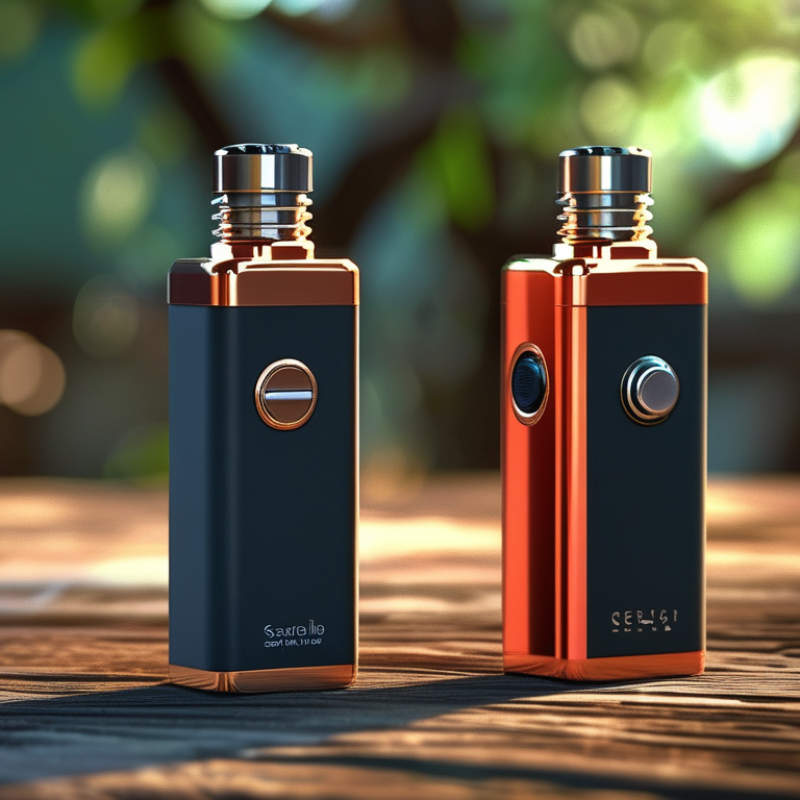
When choosing a safe vape battery, several key factors come into play.
The build quality of the battery is essential. Good batteries use durable materials that withstand heat and pressure.
Look for batteries with reinforced casings. This offers a protective layer against impacts and punctures.
Consider the battery’s capacity. It’s measured in milliampere-hours (mAh).
A higher capacity means longer usage time, but be cautious. A battery with too high a capacity may be prone to overheating.
An ideal balance is vital.
Check for built-in safety features. Some batteries come with overcharge protection
and short-circuit prevention. These features can significantly reduce risks.
Tips:
Always store your batteries properly.
Avoid leaving them in extreme temperatures.
Unattended batteries can lead to unexpected issues.
Regularly inspect your batteries for signs of wear or damage.
Noticing small cracks or bulges?
Replace them immediately to avoid hazards.
Choose reputable sources for purchase; reliability is a must in battery selection.
When discussing vape battery safety, it's essential to understand the differences between lithium-ion and lithium polymer batteries. Lithium-ion batteries are widely used due to their high energy density. They typically have a longer lifespan and better performance under load. According to the Battery University, lithium-ion cells can last up to 500 charge cycles before significant capacity loss occurs.
On the other hand, lithium polymer (LiPo) batteries offer distinct advantages. They can be made in various shapes and sizes, making them versatile for compact devices. However, they tend to have a lower energy density. A study published in the Journal of Power Sources indicates that LiPo batteries generally offer around 150 Wh/kg compared to 250 Wh/kg for lithium-ion. Awareness of these differences can inform choices regarding safety and performance.
While lithium-ion batteries are often preferred for their efficiency, they can also pose risks. They are more susceptible to overheating and can lead to thermal runaway. Conversely, LiPo batteries require careful handling and proper charging practices. Mismanagement can result in swell or even fires. Understanding these chemistry basics is crucial for maintaining a safe vaping experience.
Overcharge protection is a critical feature in vape batteries. This technology prevents batteries from exceeding their safe voltage limits. Excessive voltage can lead to overheating and potentially cause battery failure. According to a report from the National Fire Protection Association, thermal incidents from batteries can result in significant safety hazards. Reliable overcharge protection mitigates these risks effectively.
The vaping industry is growing rapidly, yet safety concerns remain. The Consumer Product Safety Commission states that improper battery use is a major factor in vape-related incidents. Without proper overcharge protection, users risk battery swelling or, worse, thermal runaway conditions. This highlights the importance of understanding battery technology before use.
Regularly checking battery health is essential. Users should replace batteries showing signs of wear or damage. Safety features like overcharge protection are vital, but regular maintenance is equally important. A proactive approach can prevent mishaps and enhance overall safety. As vaping technology continues to evolve, incorporating reliable safety measures is necessary. This commitment to safety benefits all users in the long run.
When considering a vape battery, understanding discharge rates is crucial for safety. Discharge rates determine how quickly a battery can release its energy. A battery with a high discharge rate may power a vape device effectively. However, if the rate exceeds safe limits, it can lead to overheating or other dangerous situations. This is why checking the Continuous Discharge Rating (CDR) is essential. A CDR that aligns with your device's power needs can ensure a safer vaping experience.
Safe limits for vape device usage vary significantly among different devices. Some might require a discharge rate of 20A, while others need 30A or more. It’s vital to know what your vape demands. A mismatch can raise the risk of battery failure. Always consult the manufacturer’s specifications to avoid unnecessary risks. Remember, technology is evolving, and new devices might have unique requirements. Ensure you stay updated and informed.
While the data might suggest high discharge rates enhance performance, they can also mask dangers. Misunderstanding these figures can lead users to overlook safety. Therefore, approaching battery specifications with caution is crucial. Balancing performance and safety does not always mean choosing the highest discharge option. A careful evaluation of personal usage habits can lead to better choices. Healthy vaping practices stem from thorough understanding and informed decisions.
This bar chart illustrates the safety features score for various characteristics of vape batteries, highlighting important factors to consider when evaluating their discharge rates and overall safety. Each feature is rated on a scale from 1 to 10 based on safety standards.
When considering vape batteries, size and compatibility are crucial for safety. A battery that fits well within the vape device ensures optimal performance. Misfit batteries can lead to issues like overheating or even leaks. Choosing the right size reduces the risk of accidents.
Tips: Always check your device's specifications. Double-check the battery size before making a purchase. A little time spent here can prevent larger problems down the road.
Furthermore, compatibility with other devices affects safety standards. Batteries must match the vape's required voltage and amperage. Using incompatible batteries can strain the device, increasing the danger.
Tips: Research compatibility information diligently. Don’t assume all batteries are interchangeable. It’s easy to overlook this detail, but it’s essential for safe use.
: Safe vape batteries should use durable materials. Reinforced casings are crucial for impact protection.
Battery capacity is measured in milliampere-hours (mAh). Higher capacity means longer usage time.
A battery with too high a capacity may overheat. Finding an ideal balance is essential for safety.
Built-in safety features like overcharge protection reduce risks. They can help prevent dangerous situations.
Batteries should be stored properly. Avoid extreme temperatures and check for damage regularly.
If you notice cracks or bulges, replace the battery immediately. It’s crucial to avoid hazards.
CDR indicates how quickly a battery can release energy. Ensuring it matches your device's needs is vital.
High discharge rates can lead to overheating. Knowing your device's requirements helps avoid risks.
Choosing the highest discharge isn't always safest. Evaluate your habits for better battery choices.
Always consult the manufacturer's specifications. Technology evolves, so be aware of new device needs.
When considering what makes a vape battery safe, several key features are essential. First, understanding battery chemistry is crucial; lithium-ion and lithium polymer batteries each have unique characteristics that impact safety and performance. Overcharge protection is another vital aspect to prevent potential overheating and damage, while evaluating discharge rates ensures that users remain within safe limits for their devices.
Additionally, the size and compatibility of the battery play important roles in maintaining safety standards. A properly sized battery ensures it fits well within the device, reducing risks of short circuits or malfunctions. By focusing on these factors—battery chemistry, protection mechanisms, discharge rates, and compatibility—users can make informed choices that enhance their vaping experience while prioritizing safety.

TAV Vape