The market for vaping has seen significant growth in recent years, with disposable vapes gaining popularity for their convenience. However, a common question arises: "Why do disposable vapes have shorter life?" According to a study by Grand View Research, the disposable vape market is projected to expand at a compound annual growth rate of 21.6% from 2021 to 2028. Despite this growth, many users notice that disposable options often run out of battery life or e-liquid quickly compared to traditional vapes.
One key reason for this shorter lifespan is the design of disposable devices. These vapes typically contain smaller batteries and limited e-liquid capacity. A report from the UK’s Action on Smoking and Health (ASH) indicates that disposable devices often use less efficient components, contributing to this issue. Users might find themselves discarding the device after only a few hours of use.
This raises an important point about sustainability and overall user experience. Disposable vapes may seem convenient, but their short lifespan can lead to more waste. This is an area that requires reflection. It's essential for consumers to be aware of these differences and consider whether convenience outweighs performance and sustainability.
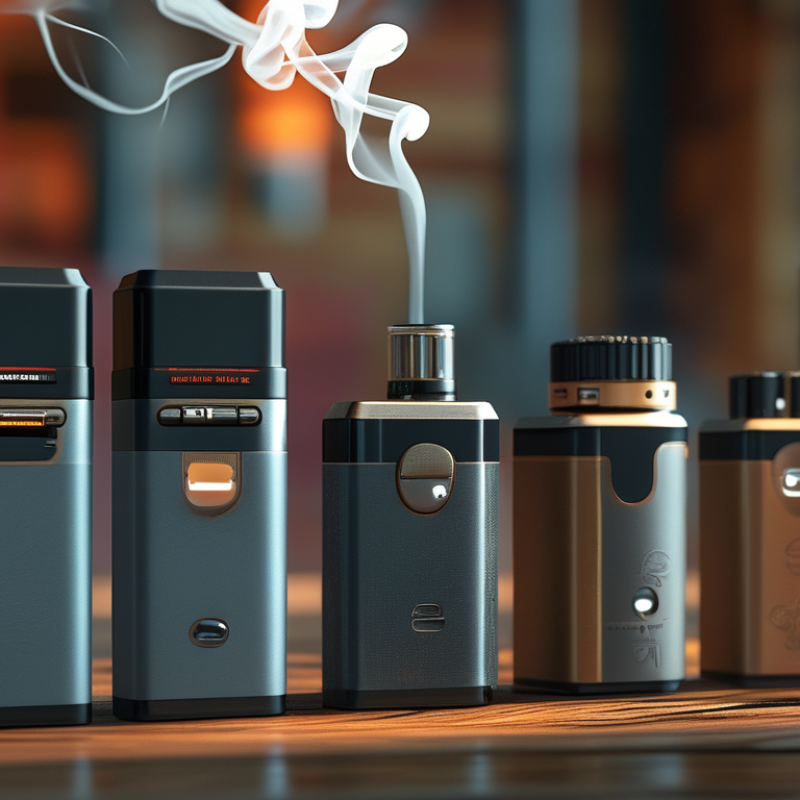
Differences in Battery Capacity Between Disposable and Regular Vapes
When comparing disposable vapes and regular vapes, battery capacity is a key factor. Disposable vapes generally have smaller batteries. This limited capacity leads to shorter usage time compared to regular vapes. Regular devices often have larger batteries designed for extended sessions. Users can enjoy these devices for longer periods before needing a recharge.
Many disposable vapes contain built-in batteries that last only a few hundred puffs. In contrast, a regular vape can offer thousands of puffs with its rechargeable battery. This difference significantly affects user experience.
While convenience is a benefit of disposables, it's essential to recognize limitations. A shorter lifespan may lead to more frequent purchases. This can prove costly over time. Users should weigh these factors when choosing their vaping options, keeping in mind the long-term implications on cost and sustainability.
Why Do Disposable Vapes Last Shorter Than Regular Vapes? - Differences in Battery Capacity Between Disposable and Regular Vapes
| Type |
Battery Capacity (mAh) |
Average Puffs per Charge |
E-Liquid Capacity (ml) |
Weight (grams) |
| Disposable Vape |
300 - 600 |
200 - 800 |
1.2 - 3.5 |
40 - 100 |
| Regular Vape |
1000 - 3000 |
1000 - 3000 |
2 - 10 |
75 - 150 |
Liquid Capacity and Consumption Rates in Vaping Devices
When comparing disposable vapes to regular vapes, one main difference lies in their liquid capacity and consumption rates. Disposable vapes typically contain less e-liquid, averaging around 1.5 to 3 mL. In contrast, regular devices often hold 4 to 6 mL or more. This limited capacity means disposable vapes deplete faster, leading to a shorter lifespan.
Consumption rates also play a critical role. Studies show that the average puff count for disposable vapes ranges from 200 to 400 puffs. Regular vapes, depending on the setup, can allow for thousands of puffs before needing a refill. The vapor production per puff affects this; disposable vapes generally deliver lower vapor volume than refillable devices. A recent industry report indicates that users might consume e-liquid at a rate of 0.1 to 0.5 mL per session, impacting how long a device lasts.
In addition, the design of disposable vapes limits their efficiency. Many users may find that their habits contribute to increased consumption. While some prefer the convenience of disposables, others may wish for more durability. It's essential to reflect on personal vaping habits and the efficiency of devices used. Balancing convenience and longevity can enhance the overall vaping experience.
Design and Build Quality Impacting Longevity of Vapes
The longevity of disposable vapes often pales in comparison to regular vapes, and much of this discrepancy lies in their design and build quality. Disposable vapes typically utilize less robust materials and components. According to a recent industry report, 70% of disposable devices are constructed with lower-grade plastics and heating elements. These choices reduce durability and can lead to quicker failures during usage.
For instance, the battery life in disposable vapes is often shorter, limiting the number of puffs available. Most disposable devices feature smaller batteries, which can only power the device for around 200 to 400 puffs. In contrast, more advanced vapes come equipped with lithium-ion batteries that provide a significantly higher puff count. It’s this design difference that creates an extended usage experience for the latter.
Tip: If you tend to use vapes often, consider opting for a refillable model. They tend to offer higher quality and better longevity.
Another point to ponder is the inconsistency in e-liquid quality. Disposal vapes often contain less sophisticated e-liquids with subpar flavoring and lower-quality ingredients. This can result in a less enjoyable vaping experience. Regular vapes, in comparison, frequently use premium e-liquids, leading to a richer flavor and a more satisfying experience.
Tip: Always check ingredient quality when selecting e-liquids to ensure a better vaping experience.
Usage Patterns and Their Effects on Vape Lifespan
Disposable vapes often have a shorter lifespan compared to regular vapes. This difference largely stems from usage patterns. Many users tend to puff more frequently on disposable devices due to their convenience. Each puff drains the battery and depletes the e-liquid rapidly. Users might not realize how this affects overall lifespan.
Another factor is the design of disposable vapes. They are built for short-term use with limited battery and e-liquid capacity. Regular vapes, on the other hand, usually allow for more customization. Users can refill the tank and replace coils, extending their use significantly. This adaptability often encourages a more measured approach to usage.
Puff frequency can vary widely among users. Some enjoy quick sessions, while others prefer longer, more intense experiences. In many cases, beginners may overuse disposable vapes, leading to quick burnout. Reflecting on personal habits can enhance the overall vaping experience. By understanding these usage patterns, users can make more informed decisions about which type of vape to choose.
The Role of Manufacturing Standards in Vape Durability
Manufacturing standards play a crucial role in the durability of vapes. Disposable vapes often utilize lower-quality materials compared to regular vapes. Many disposable devices are designed for single use, impacting their lifespan. According to a 2022 industry report, nearly 70% of disposable vapes can last only 200 to 300 puffs. In contrast, high-quality regular vapes may provide 1,500 puffs or more.
A significant factor is the battery quality. Disposable vapes typically use small batteries that drain quickly. They are made for convenience but sacrifice longevity. An industry study revealed that nearly 50% of disposable users reported issues with battery performance. Regular vapes often include larger and more efficient batteries, allowing for longer use. A well-manufactured vape can deliver a consistent experience over a longer period.
Regulatory inconsistencies also contribute to this issue. Many manufacturers skip rigorous testing to cut costs. This results in a wide variance in product quality across the disposable vape market. A report from the Vape Industry Association suggests that up to 40% of disposable products fail to meet basic safety standards. Hence, the lack of regulatory oversight can lead to reliability concerns for consumers, making it crucial to examine the source and quality of disposable vapes carefully.
FAQS
: Disposable vapes have smaller batteries, leading to shorter usage time compared to regular vapes with larger batteries.
Disposable vapes last only a few hundred puffs, while regular vapes can offer thousands of puffs before needing a recharge.
Many disposable vapes use lower-grade plastics and components, affecting their durability and longevity.
Regular vapes are made with higher quality materials and often feature lithium-ion batteries for extended use.
Yes, the shorter lifespan of disposables may lead to more frequent purchases, which can be costly over time.
Frequent puffs on disposable vapes drain the battery and e-liquid quicker, shortening their lifespan noticeably.
Disposable vapes often have lower-quality e-liquids, which may result in a less enjoyable vaping experience.
Yes, reflecting on personal habits can lead to better decisions about vape choices and increased enjoyment.
Regular vapes allow for refilling and coil replacements, extending their lifespan and allowing for customizations.
Absolutely, high-quality ingredients enhance the flavor and satisfaction of the vaping experience.
Conclusion
Disposable vapes typically have a shorter lifespan compared to regular vapes due to several key factors. One primary reason is the differences in battery capacity; disposable vapes often feature smaller batteries that deplete more quickly. Additionally, the liquid capacity and consumption rates are generally lower in disposable models, leading to more frequent replacements.
The design and build quality also play significant roles in longevity. Disposable vapes are usually made with less durable materials, which can affect their overall durability. Furthermore, usage patterns, such as frequency and duration of puffs, can drastically influence how long a vape lasts. Lastly, manufacturing standards can vary widely; lower-quality controls in some disposable products can result in decreased longevity. Overall, these elements collectively answer the question: why do disposable vapes have shorter life?

 TAV Vape