Why Do Vapes Fail? What Are Common Maintenance Mistakes?
A vape device rarely fails without warning. A weak draw, burnt taste, leaking tank, or blinking light often points to neglected maintenance. The question “What are common vape maintenance mistakes” matters because small oversights can affect performance, reliability, and safety.
The U.S. Consumer Product Safety Commission reported an estimated 2,035 emergency-room visits linked to e-cigarette explosion or burn injuries between 2015 and 2017. That figure does not prove routine maintenance caused every incident. It does show why battery care deserves careful attention. The CPSC advises users to follow manufacturer instructions and avoid carrying loose lithium-ion batteries beside keys or coins.
Battery expert Chris “Mooch” Evans repeatedly communicates a useful principle: “There are no safe batteries, only safer batteries.” His warning applies to damaged wraps, unsuitable chargers, and batteries used beyond their service life. A torn wrapper near the metal contact is not a minor cosmetic problem. It is a clear replacement signal.
Industry evidence also needs humility. The World Health Organization notes that electronic nicotine delivery systems can emit toxic substances, while long-term effects remain uncertain. Maintenance cannot make a device harmless. It can only reduce avoidable problems.
Common mistakes include over-tightening the tank, leaving e-liquid around the connector, charging on soft furniture, and ignoring persistent leaks. Cleaning should use a dry cloth, not excessive liquid. Users should inspect seals, contacts, and charging ports regularly. Even careful owners miss things. That is the uncomfortable part.
This guide examines practical failures without normalizing unnecessary use. It focuses on legal, commercially available products, manufacturer guidance, and safer decision-making.
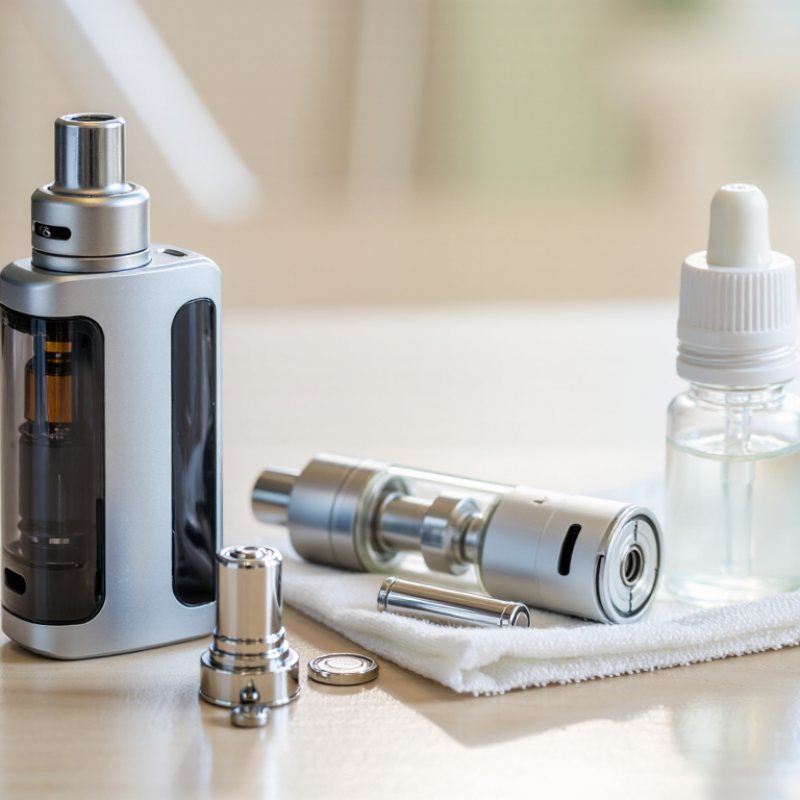
A vape can stop working for simple, preventable reasons. In my experience, a weak or dead battery is the most common cause. A device may show a light but still lack enough power to heat the coil. Charging through a damaged cable can also create unreliable connections. Check the charging port for lint, dust, or moisture before connecting it. Never use a swollen, cracked, or unusually hot battery.
Poor contact is another frequent problem. E-liquid residue can collect around the pod or metal contacts, blocking the electrical connection. Remove the pod and wipe the contacts gently with a dry cotton swab. Do not scrape them with metal tools. A loose pod may cause blinking, weak vapor, or no response. Sometimes, the problem is simply an incorrectly fitted pod.
Coils also fail over time. A burnt taste, harsh draw, or very little vapor often signals a worn coil or restricted airflow. Thick residue can clog the air path, especially when the device is stored in a pocket. Keep it upright when possible, and avoid leaving it in direct sunlight or a cold car. I have sometimes blamed the battery too quickly; cleaning the contacts solved the issue. Still, repeated failures deserve caution. If the device leaks heavily, overheats, or behaves unpredictably, stop using it and follow the manufacturer’s safety instructions.
| Failure Point | Common Maintenance Mistake | Typical Symptoms | Likely Technical Cause | Recommended Maintenance Action | Prevention | Occurrence |
|---|---|---|---|---|---|---|
| Battery not charging | Using a damaged cable, dirty charging port, or incompatible charger | No charging indicator, slow charging, or charging that starts and stops | Poor electrical contact, cable failure, or a depleted battery | Inspect the cable and port for visible damage or debris. Use the charging equipment specified for the device. Do not charge a visibly damaged battery. | Keep the port dry and clean. Replace frayed cables and avoid charging on soft surfaces. | Common |
| Weak or no vapor | Continuing to use an empty or nearly empty e-liquid cartridge | Reduced vapor, muted flavor, or a dry and burnt taste | The heating material is not adequately saturated, or the coil has degraded | Replace the empty cartridge or coil according to the device instructions. Stop using it if a persistent burnt taste remains. | Do not operate a refillable device below its minimum fill level. Allow newly filled coils to saturate before use. | Common |
| Device does not activate | Blocked airflow sensor, loose cartridge, or accidental lock mode | No vapor when inhaling or pressing the activation button | The sensor cannot detect airflow, or the electrical contacts are not connected | Remove and reinstall the cartridge. Clean accessible contacts with a dry cotton swab and check whether the device is locked. | Keep the mouthpiece and airflow openings free of lint, dust, and leaked liquid. | Common |
| Leaking e-liquid | Overfilling, loose seals, storing the device in heat, or using a damaged cartridge | Liquid around the mouthpiece, cartridge base, or battery connection | Excess pressure, damaged seals, condensation, or a cracked reservoir | Stop using the device if liquid reaches the battery or charging area. Wipe external surfaces and replace damaged components. | Do not overfill. Store upright at moderate temperatures and avoid carrying a damaged cartridge. | Common |
| Burnt taste | Taking repeated puffs without allowing the wick to re-saturate | Harsh, burnt flavor and reduced vapor production | The heating element is overheating while the wick is insufficiently supplied with e-liquid | Pause use and allow the cartridge or coil to re-saturate. Replace the coil if the burnt taste does not disappear. | Use reasonable intervals between puffs and keep the e-liquid level above the device's minimum mark. | Common |
| Intermittent operation | Ignoring condensation or residue on the electrical contacts | Device works sometimes, flashes unexpectedly, or cuts out during use | Unstable contact between the cartridge and the battery, or moisture affecting the sensor | Remove the cartridge, wipe accessible contact points dry, and reinstall it firmly without forcing it. | Clean the connection area regularly and keep the device away from water and excessive humidity. | Occasional |
| Short battery runtime | Leaving the device in extreme temperatures or repeatedly deep-discharging it | Battery drains quickly, requires frequent charging, or shuts down under load | Normal battery wear, cold conditions, heat exposure, or reduced battery capacity | Replace the battery device when runtime has significantly declined or when the battery shows damage, swelling, or unusual heat. | Store away from direct sunlight and extreme temperatures. Follow the manufacturer's charging instructions. | Occasional |
| Repeated error or flashing light | Continuing to use a faulty cartridge or forcing incompatible components together | Warning flashes, error indication, or refusal to fire | The device detects a connection, resistance, temperature, or battery protection issue | Remove the cartridge and consult the device instructions for the specific flash pattern. Do not bypass safety protections. | Use only compatible components and replace cartridges that are cracked, distorted, or electrically damaged. | Occasional |
| Overheating | Using the device continuously, blocking ventilation, or leaving it in a hot vehicle | Unusually hot body, automatic cut-off, or hot and harsh vapor | Excess heat from repeated activation, restricted airflow, or battery stress | Stop using the device and let it cool in a safe, ventilated place. Do not use it if it remains hot, swells, leaks, or smells unusual. | Avoid prolonged continuous use, direct sunlight, and blocked airflow openings. | Less common |
| Permanent failure | Using a device after physical impact, water exposure, battery swelling, or severe leakage | No response, visible damage, unusual odor, or rapid heating | Internal electronic, battery, or circuit damage | Stop using and charging the device. Do not open, puncture, or repair a damaged lithium-ion battery. Follow local battery recycling guidance. | Protect the device from impact and moisture, and replace it when safety-related damage is visible. | Less common |
A dry coil often causes this taste. Long, repeated puffs can heat the coil faster than liquid replenishes it. Pause briefly between puffs. A pause helps. Replace the coil if the taste remains.
Yes. Thickened liquid may move through the wick too slowly. The coil then receives less liquid and may heat unevenly. Warmer conditions can worsen this problem. I sometimes blamed the battery first, but that was not always fair.
Condensation may collect beneath the mouthpiece. Pocket lint can partly block the intake holes. Airflow may feel tight, noisy, or unusually hot. Check both openings before changing power settings.
Turn the device off first. Wipe condensation with a dry, lint-free cloth. Use a dry cotton swab around the connector. Do not use water or metal tools. Small details matter.
Inspect the mouthpiece, airflow holes, seals, and liquid level. Check that the pod or tank sits firmly. A loose fit can cause weak vapor, leaking, or a flashing indicator. “No vapor” describes a symptom, not one fault.
Replace a worn coil when taste, airflow, or leakage changes. Replace damaged or worn seals as directed. If problems continue, stop testing the device. My common mistake was replacing the coil before checking its fit.
Use the supplied charging system on a clean, hard surface. Keep it away from beds, paper, and direct heat. Never charge a swollen, cracked, leaking, or dented battery. Do not carry loose batteries with keys or coins.
Stop using it immediately. Do not continue charging or testing it. Move it away from flammable materials when safe. Seek qualified service or local battery-recycling guidance. I still miss occasional warning signs.
Vapes can stop working for several practical reasons, including drained or damaged batteries, charging faults, worn coils, insufficient e-liquid, blocked airflow, or loose connections. Battery and charging problems may cause weak performance, delayed activation, or a complete lack of response, while coil and e-liquid issues can lead to burnt flavors, reduced vapor, leaking, or gurgling. Understanding these warning signs helps users identify the source before replacing parts unnecessarily.
What are common vape maintenance mistakes? Frequent errors include allowing the tank to run dry, using a worn coil for too long, overfilling the tank, ignoring condensation, cleaning with unsuitable materials, and storing the device in extreme heat or cold. A simple check should include inspecting the battery, charging cable, connections, airflow openings, tank, and coil. Regular cleaning, careful storage, proper charging, and timely replacement of worn components can improve reliability and help prevent recurring performance problems.

 TAV Vape