How to Pick the Right E Liquid Concentration in 2026?

Time:2026-10-11 Author:Liam
0%

Choosing an e-liquid concentration in 2026 requires more than comparing numbers on a bottle. It requires context, caution, and accurate information. The practical question is simple: How to pick the right e-liquid concentration without creating an uncomfortable or unsafe experience?

Concentration is usually shown in milligrams per millilitre, such as 3 mg/mL or 12 mg/mL. Nicotine salts may feel smoother than freebase nicotine at similar strengths, while powerful devices can deliver more aerosol per puff. Device settings, vaping frequency, inhalation style, and previous nicotine use all matter. A small pod used frequently is not equivalent to a high-powered tank used occasionally. That difference is easy to overlook.

Health evidence also demands restraint. The U.S. Food and Drug Administration states that adults who smoke may potentially benefit when they switch completely from cigarettes, while non-users should not start vaping. The Centers for Disease Control and Prevention reported 1.63 million current U.S. youth e-cigarette users in the 2024 National Youth Tobacco Survey. That figure reinforces the need to keep nicotine products away from young people and non-smokers. The World Health Organization’s reports similarly emphasize uncertainty, exposure concerns, and the importance of regulation.

There is no universally correct strength. Personal experience can help, but it can also mislead. Headaches, nausea, coughing, or persistent cravings deserve attention, not guesswork. This guide compares concentration, device type, and usage habits using established health guidance and current market evidence. It also acknowledges an uncomfortable point: “more” is not automatically better, and “less” is not always suitable.
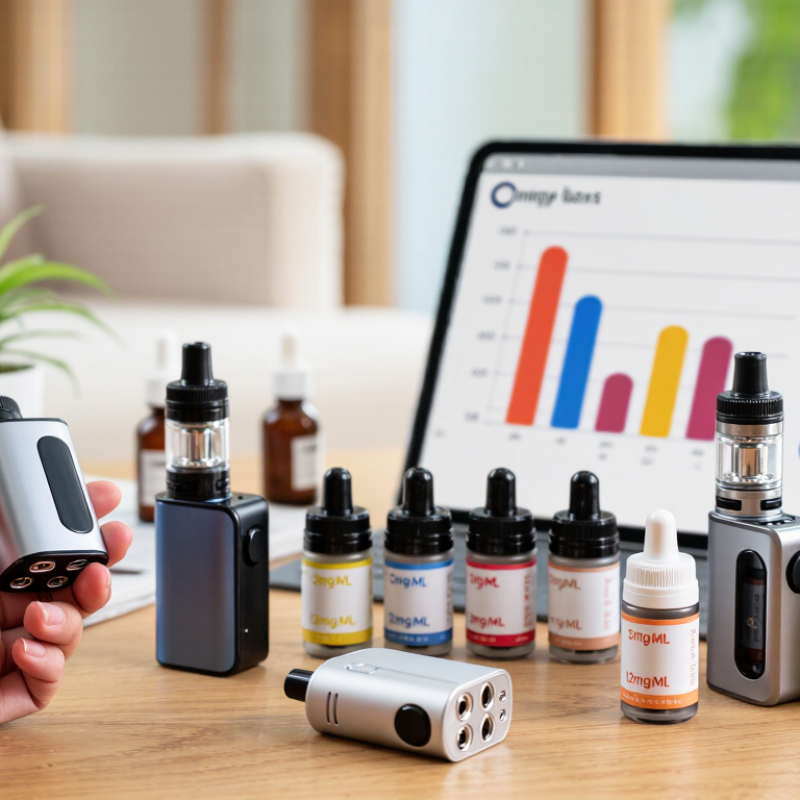
How to Pick the Right E Liquid Concentration in 2026?

Define E-Liquid Strength: Convert mg/mL to Percentage and Compare Nicotine Salts

E-liquid strength describes how much nicotine is present in each millilitre. The clearest label uses mg/mL, such as 10 mg/mL or 20 mg/mL. To convert mg/mL into a percentage, divide the number by 10. Therefore, 10 mg/mL equals 1%, while 20 mg/mL equals 2%. A 50 mg/mL liquid equals 5%, where permitted by local regulations. Check the bottle carefully, because labels can look surprisingly similar.

Nicotine salts usually feel smoother than freebase nicotine at comparable strengths. That smoother sensation may make higher concentrations easier to inhale, but it does not make them weaker. Freebase nicotine often creates more throat sensation, especially at higher levels. Device power also changes the experience. A small, low-power device may deliver nicotine differently from a powerful device using the same liquid.

Choose strength by considering previous nicotine use, inhalation habits, and device output. Start conservatively and avoid increasing concentration simply because the throat sensation feels mild. Give your body time to respond. I still double-check every calculation. Human tolerance is not perfectly predictable. Headache, nausea, dizziness, or a racing heartbeat can indicate excessive nicotine exposure; stop using the liquid and seek medical advice if symptoms persist. Keep products away from children and pets, and follow current local age, labeling, and concentration rules. A conversion chart helps, but it cannot replace careful reading or professional guidance.

Assess Dependence with NCSCT Guidance Before Choosing Nicotine Concentration

How to Pick the Right E Liquid Concentration in 2026?

NCSCT guidance encourages a careful assessment of nicotine dependence before choosing a concentration. This approach is more useful than copying another person’s setting. Ask when you usually smoked your first cigarette after waking. Earlier use can indicate stronger dependence. Note your daily cigarette count, morning cravings, and withdrawal symptoms during previous attempts.

Be honest about the difficult moments. Irritability, poor concentration, restlessness, and repeated urges may show that nicotine replacement is insufficient. A low concentration can lead to frequent vaping and frustration. A higher concentration may feel harsh, especially with frequent inhalation. Choose a suitable starting level based on your smoking pattern, then monitor your response over several days.

Small details matter. Do cravings fade between sessions? Are you reaching for the device automatically? Do you feel dizzy, nauseous, headachy, or unusually uncomfortable? These signs suggest you should stop and seek professional advice. Nicotine strength is commonly shown in milligrams per millilitre, but labels and devices can differ. Check the packaging carefully.

A pharmacist, stop-smoking adviser, or trained healthcare professional can help interpret your answers. NCSCT guidance supports structured conversations, not a universal formula.

I would avoid changing concentration too quickly. My own first assumption might be wrong. Dependence can vary by time, stress, and routine. Reassess after a week, especially if cravings remain strong or use becomes constant.

Match Concentration to Device Type Using EU TPD’s 20 mg/mL Nicotine Cap

How to Pick the Right E Liquid Concentration in 2026?

Choosing nicotine strength starts with the device, not the flavour. Under the EU Tobacco Products Directive, nicotine e-liquid must not exceed 20 mg/mL. This limit applies to nicotine-containing products placed on the EU market, while national rules may add requirements. Check the bottle, packaging, and current local guidance before buying.

Low-power pod devices usually produce smaller vapour clouds and suit higher concentrations, such as 10–20 mg/mL. These strengths can feel efficient during short, occasional puffs. Larger sub-ohm devices use more liquid and create denser vapour. Lower strengths, often around 3–6 mg/mL, may feel more balanced with this setup. A 20 mg/mL liquid in a powerful device can feel harsh and overwhelming.

Pay attention to throat sensation, dizziness, headache, or nausea. Stop using the product if these symptoms appear, and seek medical advice when needed. Concentration is measured in milligrams per millilitre, not simply as a percentage. For example, 20 mg/mL equals 2% nicotine. Small detail, but easy to misread.

Your first choice may not be perfect; airflow, puff length, and personal tolerance also matter. Change only one variable at a time, keep the bottle secured away from children and pets, and never exceed the stated concentration or device instructions.

Adjust Dosage by Vaping Frequency and Monitor NHS-Recognized Nicotine Effects

How to Pick the Right E Liquid Concentration in 2026?

E-liquid concentration should match how often you vape, not simply your preferred flavour. Someone who vapes occasionally may need less nicotine overall than a frequent user. A regular user might choose a lower concentration and take fewer, calmer puffs. Avoid changing concentration and vaping frequency at the same time. That makes the effect difficult to judge. Start cautiously, then observe your pattern for several days.

Monitor your body closely. The NHS recognises nausea, dizziness, headache, sweating, shakiness, and a racing heartbeat as possible nicotine-related effects. These signs can appear when intake is too high. Take a break. Do not chase the sensation. A sore throat or dry mouth may have other causes, but persistent symptoms deserve medical advice. Severe or rapidly worsening symptoms require urgent help.

Keep a simple note on your phone. Record the concentration, approximate vaping times, and any physical changes. If cravings remain strong, review the pattern with a pharmacist or qualified healthcare professional. They can consider your smoking history, medicines, and health conditions. This is not a perfect formula. Stress, sleep, and device settings can alter nicotine delivery. A concentration that feels comfortable today may feel excessive tomorrow. Pregnant people, teenagers, and non-smokers should not use nicotine products.

How to Pick the Right E Liquid Concentration in 2026? - Adjust Dosage by Vaping Frequency and Monitor NHS-Recognized Nicotine Effects
Vaping pattern Practical starting concentration Nicotine in the liquid When this may be appropriate What to monitor Adjustment guidance
Occasional use
Up to 5 short sessions per day
0–3 mg/mL 0–3 mg per 1 mL of e-liquid
0–30 mg per 10 mL
Adults who vape infrequently or are already comfortable with very low nicotine levels. Persistent cravings, irritability, restlessness, difficulty concentrating, or a strong urge to vape. If cravings remain frequent, consider a small step up rather than taking repeated long sessions. Avoid compensating with continuous vaping.
Light daily use
Several sessions per day
3–6 mg/mL 3–6 mg per 1 mL of e-liquid
30–60 mg per 10 mL
Adults who vape regularly but do not use nicotine immediately after waking and can comfortably space sessions apart. Whether cravings settle between sessions without headache, nausea, dizziness, or a racing heartbeat. Maintain the lowest concentration that controls cravings. Reduce concentration if symptoms suggest excessive nicotine exposure.
Moderate daily use
Frequent sessions throughout the day
6–12 mg/mL 6–12 mg per 1 mL of e-liquid
60–120 mg per 10 mL
Adults who experience regular cravings or who previously used nicotine frequently. Device type and puff length can substantially change nicotine delivery. Cravings between sessions, increased tolerance, nausea, sweating, tremor, dizziness, headache, or palpitations. Change only one factor at a time. If symptoms occur, stop vaping until they resolve and use a lower concentration or seek medical advice.
Heavy or near-continuous use
Vaping soon after waking or repeatedly all day
12–20 mg/mL
Use particular caution
12–20 mg per 1 mL of e-liquid
120–200 mg per 10 mL
Adults with strong nicotine dependence may require a higher concentration to control withdrawal, but this should not be treated as a target dose. Strong cravings may indicate dependence; nausea, vomiting, dizziness, sweating, confusion, weakness, or a fast or irregular heartbeat may indicate too much nicotine. Do not increase concentration automatically. Reduce exposure and seek professional advice if adverse effects occur. In the UK, nicotine-containing e-liquid is generally limited to 20 mg/mL under current consumer-product rules.
Nicotine-free option
0 mg/mL
0 mg/mL 0 mg nicotine per 1 mL of e-liquid Adults who want to preserve the hand-to-mouth habit while avoiding nicotine, or who are tapering after stabilising their use. Withdrawal symptoms such as cravings, irritability, anxiety, low mood, restlessness, or poor concentration. Reduce gradually if needed. Do not return to smoking to manage withdrawal; seek support from a qualified healthcare professional.
Important: E-liquid concentration is not the same as the amount absorbed by the body. Actual nicotine exposure varies with device power, coil type, puff duration, inhalation technique, liquid consumption, and individual metabolism. These ranges are for adult smokers or established adult nicotine users only, not for non-smokers, children, adolescents, or pregnancy.
NHS-recognized effects to monitor: Nicotine withdrawal can include cravings, irritability, restlessness, difficulty concentrating, and low mood. Excessive nicotine exposure can cause nausea, vomiting, dizziness, headache, sweating, tremor, weakness, confusion, or changes in heart rate. Stop using nicotine and seek urgent medical help for severe or rapidly worsening symptoms. Reference: NHS information on nicotine withdrawal symptoms.

Verify 2026 Regulations, Age Limits, and FDA-Authorized Product Information

How to Pick the Right E Liquid Concentration in 2026?

In 2026, verify legality before comparing nicotine strength. In the United States, federal law limits sales to adults aged 21 and older. FDA authorization matters too. Check the FDA’s searchable tobacco product database, because marketing authorization is not the same as “safe” or medically approved. State rules may add flavor, packaging, tax, or online-sale restrictions. Outside the United States, limits differ. The European Union generally caps nicotine liquid at 20 mg/mL under the Tobacco Products Directive, but national rules can change.

Choose concentration carefully. Occasional adult users may prefer a lower level, while former heavy smokers may consider a stronger option. Nicotine salts can feel smoother than freebase nicotine at similar strengths. That difference can encourage accidental overuse. Headache, nausea, dizziness, or a racing heartbeat are warning signs. Stop using it and seek medical advice if symptoms persist. The CDC’s 2024 National Youth Tobacco Survey reported about 1.63 million current U.S. student e-cigarette users, reinforcing why age checks and secure storage matter.

Tips: Confirm the 2026 rule in your location. Read mg/mL, not only percentage. Check the FDA database. Keep bottles locked away. Never assume “authorized” means risk-free. I would also question unclear labels, even when the package looks professional. Data and rules can change faster than habit.

How to Pick the Right E-Liquid Concentration in 2026?

Regulatory ceilings are not personal dosage recommendations. Always verify the current rules in your market before purchasing or using nicotine-containing e-liquid.

European Union

The Tobacco Products Directive limits nicotine-containing e-liquid to 20 mg/mL. Refill containers are limited to 10 mL, while cartridges and tanks are limited to 2 mL.

United Kingdom

The Tobacco and Related Products Regulations set a maximum nicotine concentration of 20 mg/mL for consumer e-liquids.

United States

Federal law sets the minimum legal sales age at 21, but it does not establish a general federal nicotine-concentration ceiling. FDA marketing authorization is product-specific and does not mean a product is risk-free or “FDA approved.”

2026 verification note: check the latest official FDA product database and applicable national or regional regulations before relying on any product or concentration claim. Sources: European Union Tobacco Products Directive 2014/40/EU, UK Tobacco and Related Products Regulations 2016, and U.S. FDA Tobacco 21 and authorized-products guidance.

FAQS

What does e-liquid strength mean?

It shows the nicotine amount in each millilitre. Labels commonly use mg/mL, such as 10 mg/mL.

How do I convert mg/mL into a percentage?

Divide the mg/mL number by 10. For example, 10 mg/mL equals 1%, and 20 mg/mL equals 2%.

Are nicotine salts weaker than freebase nicotine?

No. Nicotine salts often feel smoother at similar strengths. A smoother throat sensation does not mean less nicotine.

Can my device change the nicotine effect?

Yes. A small, low-power device may deliver nicotine differently from a powerful device. The same liquid can feel different.

How should I choose a starting concentration?

Consider previous nicotine use, daily habits, cravings, and device output. Start conservatively. Do not increase strength just because the throat feels mild.

What signs may indicate too much nicotine?

Possible signs include nausea, dizziness, headache, sweating, shakiness, or a racing heartbeat. Stop using it and seek medical advice if symptoms persist.

How can vaping frequency affect my choice?

Occasional users may need less nicotine overall. Frequent users should monitor their intake carefully. Change one factor at a time.

What should I record while assessing my nicotine use?

Note the concentration, approximate vaping times, cravings, and physical changes. A simple phone note can reveal patterns. My first assumption may be wrong.

When should I ask a professional for help?

Ask a pharmacist or qualified healthcare professional when cravings remain strong or use becomes constant. They can consider medicines and health conditions.

How should nicotine products be stored?

Keep them away from children and pets. Follow current local age, labeling, and concentration rules. Check every bottle carefully.

Conclusion

How to pick the right e-liquid concentration starts with understanding nicotine strength. A label shown in mg/mL can be converted to a percentage by dividing the number by 10; for example, 10 mg/mL equals 1%. Nicotine salts may feel smoother at comparable strengths, so users should consider both the concentration and the formulation. Before choosing, assess nicotine dependence using recognized cessation guidance, including typical cravings, withdrawal symptoms, and vaping frequency.

Device type also matters: lower-powered devices generally pair better with lower concentrations, while stronger devices can deliver more nicotine per puff. Stay within applicable limits, such as the EU TPD maximum of 20 mg/mL where relevant, and confirm local rules in 2026. Adjust gradually according to usage, while monitoring effects such as dizziness, nausea, headache, or a racing heartbeat. Stop and seek professional advice if concerning symptoms occur. Always check age requirements, product authorization information, packaging, and current regulations before purchasing or using any e-liquid.

Liam

Liam

Liam is a dedicated marketing professional with a profound expertise in the industry, where he excels at highlighting the unique advantages of our core products. With a keen understanding of market trends and consumer needs, Liam frequently updates our company’s professional blog, providing......