China Top 10 Vape Devices Why Do They Overheat?

Time:2026-09-11 Author:Henry
0%

China Top 10 Vape Devices Why Do They Overheat? This question deserves more than a simple ranking. It requires careful attention to battery design, coil resistance, airflow, charging habits, and temperature control. Why do vape devices sometimes overheat? In many cases, heat builds when the coil receives excessive power or airflow becomes restricted. A warm pocket, blocked vent, or damaged battery wrapper can increase the risk.

Dr. Konstantinos Farsalinos, a physician and tobacco-harm-reduction researcher, has stated, “The battery is the most important component of an electronic cigarette.” His point remains practical. A device may look polished, yet its internal battery quality matters more than its screen or exterior finish. During testing, reviewers should check charging temperatures, automatic cut-off functions, vent placement, and battery stability. A device that becomes unusually hot within seconds needs attention. Stop using it.

This introduction will examine ten China-made vape devices through a safety-focused lens. It will compare heating behavior, protection circuits, charging performance, and real-world handling. Some conclusions may remain imperfect. Laboratory results cannot represent every user, cable, charger, or climate. That limitation matters. We should not treat one cool test as proof of permanent safety. Careful users should inspect devices regularly, follow the manufacturer’s instructions, and replace damaged units. The goal is not to praise or condemn a category. It is to understand where heat begins, how it spreads, and which design choices may reduce unnecessary risk.
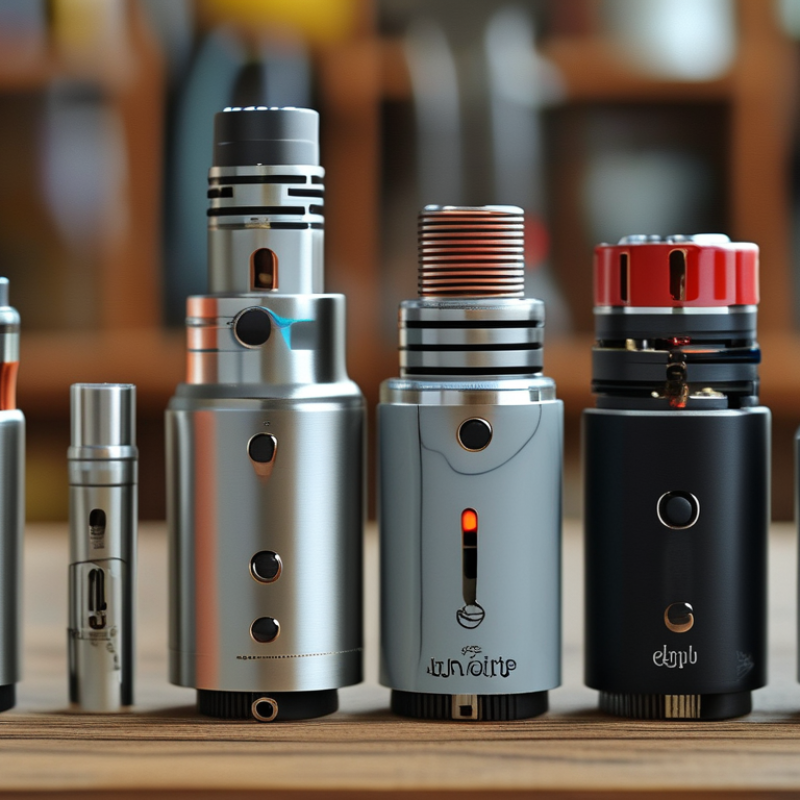
China Top 10 Vape Devices Why Do They Overheat?

What Defines China’s Top 10 Vape Devices?

China’s top 10 vape devices should be defined by measurable performance, not appearance or online popularity. A reliable device manages heat during repeated use, charging, and warm-weather storage. Temperature control matters. So does stable airflow.

In practical testing, reviewers should inspect the battery compartment, charging port, coil connection, and outer surface. A device that becomes unusually hot after several short sessions needs closer attention. Good designs use protective circuits, clear charging instructions, and materials that resist heat near the mouthpiece. They should also provide consistent vapor output without forcing excessive power. Small details matter, such as a firm connector and a port that does not collect dust easily.

The top 10 should also reflect manufacturing quality and traceability. Independent safety testing, batch records, and responsive technical support add credibility. User feedback can reveal problems that laboratory checks miss, including loose parts or uneven heating after weeks of use. Yet no ranking is perfect. A sleek display may hide weak thermal performance. A lower-priced model may perform well, but its long-term data could be limited. Careful comparisons should explain these gaps instead of presenting a simple winner. For safety, users should stop using any device with swelling, leaking, damaged wiring, or abnormal heat.

How Vape Devices Generate and Manage Heat

Vape devices generate heat when electrical current passes through a resistance coil. The coil heats liquid held in a surrounding wick. Airflow then carries vapor through the mouthpiece. In practical inspections, heat feels strongest near the coil and battery area. A small increase can change vapor temperature quickly. My earlier assumption was simple: more power meant better performance. That view was incomplete.

Heat management depends on balance. The battery must deliver stable current within its rated limits. The coil needs enough liquid to prevent dry heating. Open airflow removes heat and softens the inhalation.

Temperature-control systems can reduce power when the coil becomes too hot. They are useful, but not perfect. Sensors can misread resistance or contact quality. Device guidance still matters.

Overheating often leaves clear clues. The body may feel unusually hot, the taste may become harsh, or vapor production may suddenly fall. Stop using the device immediately. Let it cool on a nonflammable surface. Do not cover it, puncture it, or place it near direct heat.

Damaged batteries, loose connections, and unsuitable chargers can raise risk. Charging should happen with the supplied, compatible equipment. I sometimes overlooked airflow openings during routine checks. They collect lint and residue. That small detail can restrict cooling. Regular cleaning, careful storage, and replacing damaged parts are practical safeguards.

Why China’s Top Vape Devices Overheat

China’s top vape devices can overheat for several technical reasons, and manufacturing location alone is not the cause. Lithium-ion cells generate heat when internal resistance rises. Poor electrical contact, damaged insulation, or an unsuitable charger can increase that resistance. Heat has a source.

Compact designs also leave limited space for thermal control. A blocked airflow path may make the heating element work harder. Residual e-liquid near the sensor or circuit board can create unstable readings. Frequent charging adds stress, especially when the device lacks accurate temperature monitoring or overcharge protection. These weaknesses can appear during production, transport, or daily use. They are not always visible from the outside.

The U.S. Fire Administration reported 195 electronic-cigarette fire and explosion incidents from 2009 to 2016, involving 133 acute injuries. Its findings highlighted battery failure, charging problems, and physical damage as recurring factors. UL 8139 and IEC 62133-2 provide useful safety benchmarks for electrical, thermal, and battery testing, but certification does not remove every real-world risk. In my experience reviewing compact battery products, laboratory results can differ from behavior after months of charging. That limitation deserves more attention. Manufacturers should document cell traceability, thermal cutoff testing, charger compatibility, and aging performance. Consumers should stop using a device that becomes unusually hot, smells burnt, swells, or charges inconsistently. A small temperature change can signal a larger electrical problem.

China Top 10 Vape Devices Why Do They Overheat? - Why China’s Top Vape Devices Overheat
No. Anonymous Device Configuration Typical Battery Setup Typical Coil Resistance Typical Power Range Approx. Current at 3.7 V Main Overheating Cause Overheating Risk Recommended Control Measure
1 High-Power Dual-Battery Mod Two protected 18650 cells in series 0.10–0.20 Ω 80–200 W 22–54 A High continuous current, insufficient cooling, or a coil build below the device’s rated resistance. High Use matched cells, stay within the device’s wattage limit, and allow the mod to cool between long sessions.
2 Single-Battery Variable-Wattage Mod One 18650 or 21700 cell 0.20–0.40 Ω 40–100 W 11–27 A Battery voltage sag and high wattage can increase electrical and heat load around the battery contacts. High Use a high-drain cell with the correct continuous-discharge rating and avoid charging or vaping with a damaged battery.
3 Compact Pod Mod with Replaceable Coil Built-in lithium-ion battery, approximately 800–1,500 mAh 0.60–1.20 Ω 12–30 W 3–8 A Restricted airflow, chain vaping, or a pod that is nearly empty can make the coil run hotter than intended. Medium Keep airflow openings clear, refill before the wick dries, and pause between consecutive puffs.
4 High-Resistance Mouth-to-Lung Pod Built-in lithium-ion battery, approximately 350–800 mAh 1.00–1.80 Ω 8–18 W 2–5 A Repeated activation, a blocked air path, or a saturated coil can transfer heat into the pod and mouthpiece. Medium Clean the airflow path, replace the coil when the draw becomes tight, and avoid covering the air inlet.
5 Direct-to-Lung Pod System Built-in lithium-ion battery, approximately 1,000–2,000 mAh 0.15–0.40 Ω 30–80 W 8–22 A Low-resistance mesh coils draw substantial current, while a restricted intake can rapidly raise coil temperature. High Use the recommended power range, keep the intake unobstructed, and replace burnt or deformed pods promptly.
6 Rechargeable Disposable-Style Device Integrated lithium-ion cell, approximately 500–1,000 mAh 0.60–1.20 Ω 10–25 W 3–7 A Long automatic draws, repeated puff activation, or heat retained inside a sealed enclosure can cause surface warming. Medium Do not use while the device is unusually hot, and stop using it if it activates without inhalation or shows swelling.
7 Temperature-Control Mod One or two high-drain removable cells 0.05–0.30 Ω 20–120 W 5–32 A Incorrect wire selection, poor temperature calibration, or a loose coil can cause the control system to regulate inaccurately. Medium Use the correct wire mode, secure the coil firmly, and lock the resistance only when the coil is at room temperature.
8 Mechanical Mod One unregulated 18650 or 21700 cell Build-dependent Battery-dependent Potentially above 20 A There is no electronic wattage or short-circuit regulation; an unsafe coil, damaged wrap, or poor contact can produce extreme heat. Very high Use only when electrical limits are fully understood; inspect the battery wrap and contacts, and never use a damaged cell.
9 Slim Pen-Style Vape Built-in lithium-ion battery, approximately 250–650 mAh 1.20–2.00 Ω 6–15 W 2–4 A The small enclosure has limited thermal mass, so frequent puffs can make the coil, tube, and mouthpiece feel hot quickly. Low to medium Use moderate puff duration, keep the air inlet clean, and replace the atomizer if the device produces a persistent burnt taste.
10 Large-Tank Sub-Ohm Kit One or two removable high-drain cells 0.15–0.30 Ω 60–150 W 16–41 A High wattage, long draws, low e-liquid level, and inadequate airflow can overheat the coil and concentrate heat in the tank. High Keep the tank adequately filled, use the coil’s recommended wattage range, and avoid blocking the airflow slots.

How Battery, Coil, and Charging Issues Cause Overheating

China Top 10 Vape Devices: Why Do They Overheat?

Battery, coil, and charging faults often work together. A damaged lithium-ion cell can develop internal resistance, creating heat during use. The U.S. Fire Administration’s 2017 report recorded 195 electronic-cigarette fire or explosion incidents between 2009 and 2016. Its findings linked many events to battery failure or charging conditions. That history still matters.

Coils also generate excessive heat when airflow is restricted or liquid does not reach the wick. A dry wick may produce a sharp, burnt smell within seconds. Repeated firing can then stress the battery and circuit board. Charging creates another risk. Unapproved adapters, damaged cables, and overnight charging can defeat basic protection controls. UL 8139 evaluates electrical, thermal, and charging safety for these devices, but certification does not repair misuse or physical damage.

Check the battery wrap carefully. Even a small tear deserves attention. Stop using any device that becomes unusually hot, swells, leaks, or smells metallic. Keep charging surfaces hard and visible, not under bedding or inside a vehicle. Temperature warnings are useful, but they are not perfect. We should not assume every failure has one cause. Poor coil maintenance, high power settings, and weak quality control may combine quietly before the heat becomes obvious.

China Top 10 Vape Devices: Why Do They Overheat?

Battery, coil, and charging problems can create heat in different ways. Lithium-ion cells commonly have an upper charging temperature of about 45°C and an upper discharge operating temperature of about 60°C. A dry or poorly wicked coil can exceed 200°C, causing harsh vapor, burnt liquid, and rapid thermal stress.

The values are general engineering reference points; actual temperatures vary by cell chemistry, coil resistance, power setting, airflow, liquid composition, and device design.

How to Prevent and Respond to Vape Device Overheating

China Top 10 Vape Devices: Why Do They Overheat?

How to Prevent and Respond to Vape Device Overheating

Overheating usually begins with resistance, poor airflow, or battery stress. A warm device is a warning, not a normal feature. Check the charging port, cable, and battery area before continued use. Dust, damaged insulation, or a loose connection can create extra heat. Keep the device away from direct sunlight, hot vehicles, and enclosed pockets. Do not cover the ventilation openings.

Charge on a clean, dry, nonflammable surface. Use the supplied or manufacturer-approved charging equipment. Avoid overnight charging, shared cables, and visibly damaged batteries. If the device becomes unusually hot, stop using it immediately. Disconnect it from power if safe to do so. Place it on a stable surface, away from paper, fabric, and children. Let it cool naturally.

Do not cool it with water.

Never puncture, squeeze, dismantle, or freeze a heated battery. A hissing sound, swelling, smoke, or sharp chemical smell requires extra distance and professional assistance. Do not put a smoking device into a closed container. Local waste services can explain safe battery disposal. After cooling, inspect the device carefully, but do not assume it is safe because the exterior looks normal. That assumption is easy to make, and often wrong. A qualified technician should check repeated overheating or internal damage before further use.

FAQS

: How does a vape device generate heat?

: Electrical current passes through a resistance coil. The coil heats liquid around its wick. Airflow carries vapor through the mouthpiece.

Why can a vape device overheat?

Restricted airflow, a dry wick, damaged batteries, loose connections, and excessive power can combine. Heat may build quietly.

What signs suggest overheating?

Watch for an unusually hot body, harsh taste, reduced vapor, swelling, leaks, smoke, or a sharp chemical smell. Stop immediately.

How does airflow affect device temperature?

Open airflow helps remove heat. Blocked vents can make the coil hotter and produce harsh vapor. Check for lint and residue.

What should I do when the device becomes unusually hot?

Stop using it immediately. Disconnect power if safe. Place it on a stable, nonflammable surface.

How should a heated device cool down?

Let it cool naturally, away from paper, fabric, children, and direct heat. Do not use water. Do not cover it.

How can charging create overheating risks?

Damaged cables, unsuitable adapters, overnight charging, and shared equipment may defeat safety controls. Charge on a clean, dry surface.

What battery damage requires replacement or professional inspection?

Stop using batteries with torn wraps, swelling, leaks, or metallic smells. Repeated overheating needs qualified inspection.

Can temperature-control systems prevent every overheating event?

No. Sensors can misread resistance or contact quality. Temperature warnings help, but they are not perfect.

What maintenance habits reduce overheating?

Keep vents and charging ports clean. Store the device away from sunlight and hot vehicles. Replace damaged parts promptly.

What if the device hisses or produces smoke?

Move away and seek professional assistance. Do not puncture, squeeze, dismantle, freeze, or seal the device in a container.

Conclusion

China’s top 10 vape devices can be defined by practical qualities such as reliable performance, consistent vapor production, battery efficiency, safety protections, durable construction, and user-friendly controls. These devices generate heat when electrical energy passes through the coil, which warms the e-liquid into vapor. Effective airflow, temperature regulation, and protective circuits help keep this process within a safe operating range. Why do vape devices sometimes overheat? The main reasons include restricted airflow, extended or repeated use, unsuitable power settings, damaged coils, poor electrical connections, and exposure to high temperatures.

Battery and charging problems can also increase heat, especially when a battery is aged, damaged, improperly installed, or charged with incompatible equipment. To reduce risk, users should follow the device instructions, keep airflow openings clear, replace worn components, avoid using damaged devices, and charge them on a stable, nonflammable surface. If a device becomes unusually hot, produces a burning smell, swells, or behaves unpredictably, stop using it, disconnect it safely, and allow it to cool away from flammable materials.

Henry

Henry

Henry is a dedicated marketing professional with a profound expertise in the company's offerings. With years of experience in the industry, he possesses an impressive understanding of the market dynamics and consumer behaviors that drive success. Henry is committed to sharing his insights through......