Temperature control can turn a confusing vaping experience into a more measured one. Instead of relying only on power, the device monitors coil temperature and adjusts energy delivery. This can help reduce sudden overheating, burnt-tasting vapor, and inconsistent draws. Why is temperature control important in vaping? The answer involves comfort, flavor consistency, coil protection, and safer device habits. It does not make every device safer automatically. That distinction matters.
A suitable temperature setting can keep vapor closer to the user’s preferred warmth. Picture a cool morning draw that gradually becomes harsh after several puffs. Temperature control may limit that sharp rise when the coil begins running too hot. It can also reduce wasted e-liquid caused by overheating. However, results depend on the coil material, resistance, airflow, wick condition, and device calibration. A setting that works well with one coil may perform poorly with another. Check the manufacturer’s instructions.
Small details matter. The coil must be compatible with the temperature-control mode. The connection should remain clean and secure. Batteries should be used according to recognized safety guidance and replaced when damaged. Temperature control is not a substitute for responsible operation. It may also feel less impressive than expected when the wick is poorly saturated. That is a useful reminder, not a failure of the technology. This guide examines seven practical reasons temperature control matters, while recognizing its limits and the need for careful adjustment. Better control begins with realistic expectations.
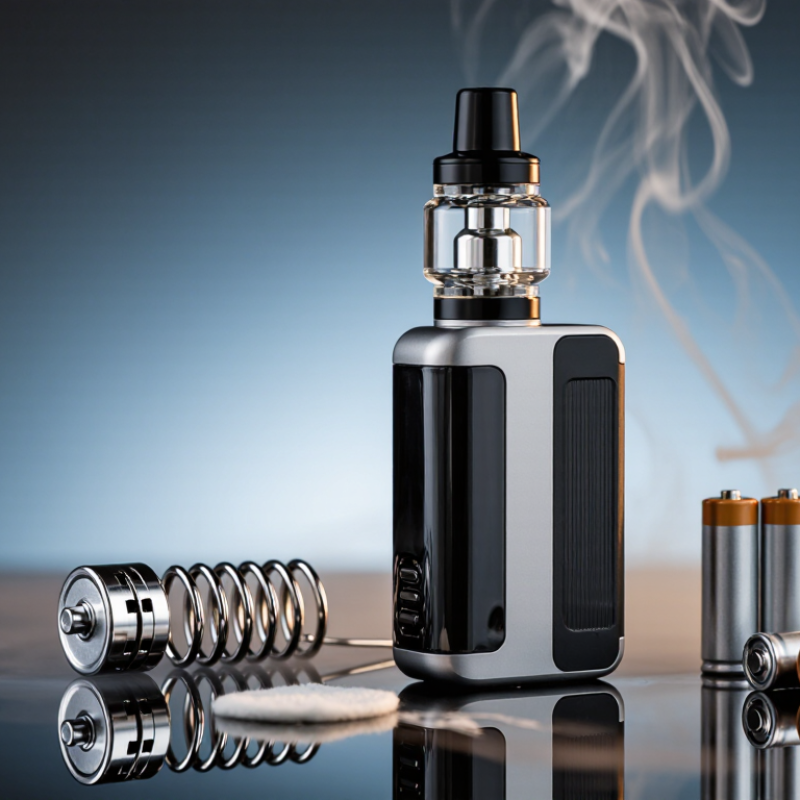
What Temperature Control Means in Vaping
Temperature control is a vaping function that limits coil heat during use. It estimates temperature through changes in the coil’s electrical resistance. The device then adjusts power when the coil approaches the selected limit. This differs from wattage mode, which delivers a chosen power level without directly estimating coil temperature. The setting is not a laboratory thermometer. It is an informed estimate.
Heat affects more than comfort. Excessive temperatures can dry the wick, darken residue, and create a sharp, burnt taste. A 2015 study in the New England Journal of Medicine detected formaldehyde-releasing agents under high-voltage, dry-puff conditions. The authors also noted that these conditions could be unpleasant to users. The National Academies’ 2018 report found that aerosol emissions vary with device characteristics, liquid composition, and operating conditions. Lower exposure does not mean harmless exposure.
In practical use, temperature control works best with compatible coil materials and a properly saturated wick. A loose connection can distort resistance readings. So can changing a warm coil without allowing the device to reset. Start cautiously. Use moderate settings. Watch for unusual heat, inconsistent vapor, or a burnt smell. One limitation deserves honesty: temperature control does not remove all chemicals from aerosol. It may reduce overheating, but real-world performance depends on calibration, maintenance, and user behavior. Even careful testing cannot make every reading perfect.
| Tip | What Temperature Control Means | Why It Matters | Practical Guidance | Useful Data Point |
|---|---|---|---|---|
| 1. Keep the coil within a stable range | The device estimates coil temperature from changes in electrical resistance and automatically adjusts power. | A stable coil temperature can make vapor production and flavor more consistent during a puff. | Use a compatible temperature-sensing coil and set the device only within the coil maker’s recommended range. | Common starting range: 200–230°C / 392–446°F |
| 2. Reduce dry-hit risk | When the wick becomes under-saturated, resistance changes can signal a rapid temperature rise, allowing power to be reduced. | Insufficient liquid at the coil can cause a harsh, burnt-tasting puff and may damage the wick. | Keep the tank adequately filled, allow new coils to saturate, and stop using the device if a burnt taste appears. | A dry wick heats faster than a well-saturated wick |
| 3. Protect flavor quality | Temperature control limits large temperature swings instead of allowing the coil to heat continuously at maximum power. | Excessive heat can mute or alter flavor, while insufficient heat may produce weak vapor and incomplete aerosolization. | Adjust temperature in small steps and evaluate flavor, vapor, and throat sensation together. | Small adjustments: about 5–10°C / 9–18°F |
| 4. Improve puff-to-puff consistency | The control system compensates for resistance changes caused by coil temperature during use. | Consistent temperature can help maintain a more predictable experience as the coil warms and cools. | Lock the resistance only when the coil is at room temperature and keep airflow settings consistent. | Resistance should be measured with a cool coil |
| 5. Manage battery demand | After reaching the selected temperature, the device can reduce power rather than continuously delivering the initial heating power. | Power reduction may help avoid unnecessary energy use, although battery life depends on coil resistance, puff duration, airflow, and settings. | Use batteries with the correct specifications, inspect them regularly, and follow the device’s charging instructions. | Energy use varies with wattage and puff duration |
| 6. Match the material setting | Temperature-control modes require a wire material with a known temperature coefficient of resistance, such as nickel, titanium, or stainless steel. | Using the wrong material profile can make temperature readings inaccurate and may cause unstable performance. | Select the correct material mode, avoid mixing wire types, and verify that the coil is designed for temperature control. | Common TC materials: Ni, Ti, and SS |
| 7. Treat temperature as an estimate, not a guarantee | The displayed temperature is calculated from resistance and electrical settings; it is not a direct measurement of every part of the coil or aerosol. | Wicking, airflow, coil shape, contact resistance, and puff technique can all affect actual coil conditions. | Use temperature control as a management tool, inspect the coil regularly, and stop if the device behaves abnormally. | Displayed values are device-dependent estimates |
Note: Temperature ranges shown are general starting points, not universal safety limits. Actual performance varies by device, coil material, resistance, e-liquid composition, airflow, and puff duration.
A dry hit occurs when the coil heats faster than the wick supplies liquid. It can produce harsh vapor and a burnt taste. Not pleasant.
Temperature control limits coil heat as the wick becomes less saturated. This reduces sudden overheating, but it does not remove every risk.
Vapor may become thin, hot, or sharp. A burnt flavor can also appear. Pause and inspect the wick.
Start with a modest temperature and increase it gradually. Avoid copying random settings online. Match the setting to the coil material.
It should appear evenly moist around the coil. A pale or dry area may indicate poor liquid supply.
Let the new wick soak for several minutes before use. Fill the tank before the liquid level becomes too low.
Yes. Sensors can drift, contacts can loosen, and readings are not perfect. Clean the connections and check the setup regularly.
Liquid thickness, airflow, puff length, cleaning, and wicking all matter. Short pauses help the wick recover. I once assumed lower heat solved everything. It did not.
Replace the wick if a burnt taste remains. Inspect the coil for rough surfaces, residue, or unusual discoloration. Do not force continued use.
Temperature control in vaping means managing the coil’s heat so it remains within a consistent and appropriate range. Why is temperature control important in vaping? It helps shape flavor, vapor production, and overall consistency while reducing the chance of overheating. A controlled temperature can also help prevent dry hits, which may occur when the coil becomes hotter than the available e-liquid can support. By avoiding excessive heat, users may experience smoother draws and protect the coil from unnecessary stress, residue buildup, and premature wear.
For safer temperature-controlled vaping, use compatible equipment, choose a suitable coil material, keep the e-liquid supply adequate, begin with a moderate setting, and adjust gradually according to vapor and flavor. Keep the coil and tank clean, inspect components regularly, and replace worn or damaged parts promptly. Understanding how temperature affects performance allows users to make more informed adjustments, maintain better coil longevity, and enjoy a more consistent experience while following all applicable safety guidance.

 TAV Vape