7 Best Ways to Identify Counterfeit Vape Hardware

Time:2026-11-04 Author:Amelia
0%

Counterfeit vape hardware can look convincing in a product photo. In person, small details may tell a different story: uneven seams, blurry printing, loose connectors, or a serial number that the manufacturer cannot verify. These clues are not proof by themselves. Still, they justify a closer check.

The OECD and EUIPO’s 2021 report, Global Trade in Fakes, estimated that counterfeit and pirated goods represented up to $464 billion in global trade in 2019. That figure covers many product categories; it does not measure counterfeit vape hardware specifically. The distinction matters. There is no reliable global estimate for this market, so precise claims about its scale should be treated cautiously. How to identify counterfeit vape hardware is therefore a practical question, not a matter of trusting one label or test. Compare the packaging with the manufacturer’s current product information, inspect the device for inconsistent construction, and contact the brand through its verified website when a code or serial number seems doubtful. Keep the receipt and note where the item was purchased. Look closer. A polished box is not proof of authenticity, and a single irregularity may have an innocent explanation. Careful checks, credible sources, and a willingness to pause can help buyers make a more informed decision.
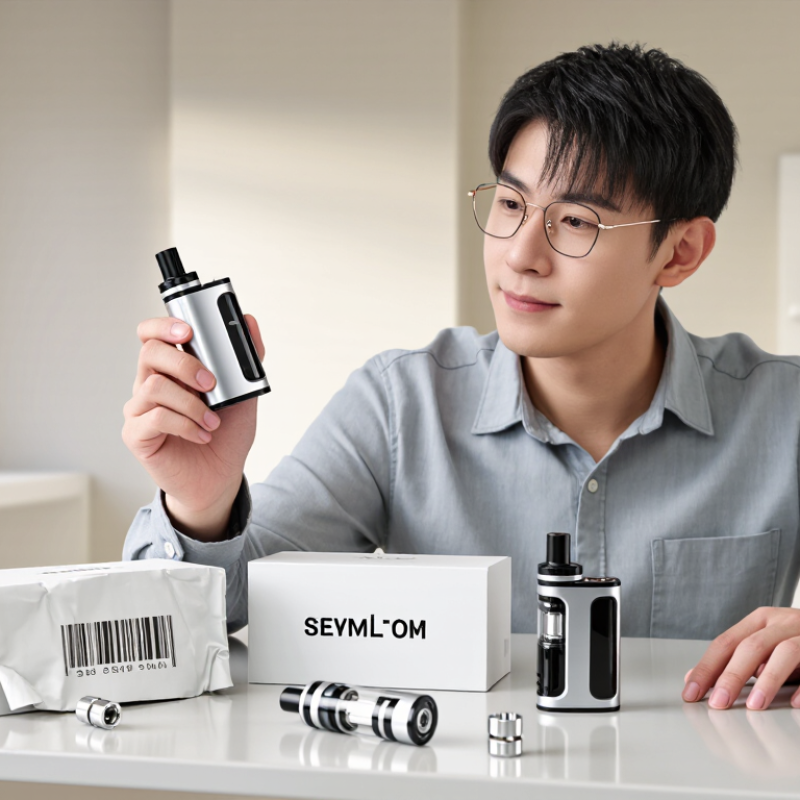
7 Best Ways to Identify Counterfeit Vape Hardware

Check Packaging, Seals, and Product Labels

Examine the packaging in good light. Look for blurred text, uneven colors, spelling errors, or labels placed over other labels. Compare the model, batch number, and safety information on the box with details printed on the device. They should match. Small differences can be meaningful, but they can also result from a packaging redesign. So, one odd detail is not proof.

Check seals and product labels closely. A seal should sit flat and show no obvious cuts, lifted edges, or glue residue. Labels should be legible, consistently printed, and include clear manufacturer and product information. Scan any verification code only through the instructions provided on the packaging or seller’s official materials; a copied code may still appear genuine. Keep the box and receipt if you need to ask the seller or manufacturer to verify a product.

Packaging checks have limits. The OECD and the EUIPO estimated that counterfeit goods across all product categories accounted for up to 2.5% of world trade in 2019, worth about US$464 billion. Their report does not estimate counterfeit vape hardware specifically. Still, it shows why a convincing box cannot establish authenticity on its own. I’d treat mismatched labels as a reason to pause, not as a final verdict. When details remain unclear, avoid using the device until its source can be confirmed.

7 Checks for Identifying Counterfeit Vape Hardware

Each bar represents one inspection point in a practical checklist—not a counterfeit-risk score or a guarantee of authenticity.

Inspect packaging condition, tamper seals, label consistency, batch or lot details, manufacturer verification options, hardware construction, and included safety information. If anything seems suspicious, do not use the device; contact the seller or relevant safety authority.

Verify Serial Numbers With the Manufacturer

A serial number is useful only when checked against a reliable source. Find the manufacturer’s contact details through its official website, not a link printed on a suspicious package or sent by a seller. Share the number privately, along with the model name and batch code. Ask whether those details match its production records. Keep the reply for your records.

Inspect the device and packaging under good light. Look for a number that is sharply printed, evenly spaced, and consistent across both surfaces. Check every character carefully; a zero and the letter O can be easy to confuse. Take clear photos before contacting support. Do not post the full serial number publicly, since it may be copied. A valid number alone proves little: counterfeit products can reuse genuine numbers. Ask whether the number has appeared in duplicate checks or belongs to the stated model and production period. If the manufacturer cannot verify it, pause use and contact the seller about next steps. Even careful checks have limits. A polished label can still mislead.

Inspect Materials and Build Quality

Counterfeit vape hardware often reveals itself through poor materials before its electronics fail. Examine the casing under bright light. Uneven seams, thin plating, sharp edges, and loose buttons deserve attention. Check that the mouthpiece sits flush and has no rough burrs. Look closely at charging ports, too. A crooked opening or exposed wiring can signal weak assembly.

Feel the device, but do not rely on weight alone. A heavy unit can still hide poor components. Gently press the casing and buttons; excessive flex, rattling, or sticky movement are warning signs. Inspect seals and joints for gaps, glue residue, or mismatched finishes. I still miss things. Appearance is only one clue, not proof of authenticity.

Build quality also matters for safety. The U.S. Fire Administration’s report, Electronic Cigarette Fires and Explosions (2009–2016), documented 195 fire or explosion incidents and 133 acute injuries. Those figures cover reported incidents, not counterfeit products specifically. Still, they show why damaged or poorly assembled hardware deserves caution. Stop using a device with a cracked casing, a loose charging connection, unusual heat, or a burning smell. Compare its materials and finish with clear product documentation from a reliable supplier. A perfect surface can fool you.

Compare Features With Official Product Specifications

Compare the device with the manufacturer’s official specifications for its exact model and revision. Check the stated dimensions, materials, indicator lights, charging-port position, and compatible components. A few millimeters can matter. For example, a port placed on the wrong side or a control button with a different shape may signal a mismatch. Use the manufacturer’s website or printed documentation, not a seller’s copied description. Save the reference page or take a screenshot so you can compare details calmly.

Inspect the hardware in good light, then compare one feature at a time. Look for uneven seams, loose fittings, rough edges, or markings that differ from official product images. Packaging can help, but it is not proof; boxes and labels may be copied. Specifications also change between revisions, so an apparent difference is not automatically evidence of counterfeiting. I have found this part easy to rush. That can lead to a false alarm. If details remain inconsistent, avoid using the device and ask the manufacturer or an authorized retailer to verify the model and serial information. Do not dismantle it to inspect internal parts.

Check Safety Certifications, Recalls, and Seller Records

A certification logo printed on a box is only a clue. Search the certifier’s official directory and confirm that the exact model and hardware type appear there. Check whether the certificate covers electrical safety, not just a component or charger. If the seller cannot provide a verifiable certificate number, pause.

Search official recall notices using the model number, serial range, and lot code. Compare the notice with the label on the device; similar names can hide different versions. Then review seller records: a real business address, itemized receipt, clear return terms, and traceable product details all matter. Keep screenshots and the invoice. Small details matter.

A 2018 U.S. Government Accountability Office report found counterfeit goods in 20 of 47 items bought from third-party sellers. The test covered several product categories, not vape hardware, so it does not estimate counterfeit rates for this market. It does show why seller history deserves a careful check. Reviews alone are weak evidence; look for consistent records across multiple purchases and clear answers about sourcing. If anything does not match, walk away. I would rather lose time than rely on a mark I cannot verify.

7 Best Ways to Identify Counterfeit Vape Hardware - Check Safety Certifications, Recalls, and Seller Records
Check What to inspect How to verify Warning signs
1. Verify safety certification Look for a certification mark and a traceable certificate or file number on the device, battery, or charger. Search the issuing certification body's public directory. Confirm that the listing matches the exact product type and model; a logo alone is not proof. The number is missing, invalid, belongs to a different product, or cannot be independently checked. Certification requirements vary by location and product.
2. Check recalls and safety notices Record the product model, serial or batch number, and date code, where available. Search the official product-safety recall database for the relevant country or region. Compare the identifiers and product description, not just the product category. The item matches a recalled model or batch, or its identifiers have been removed, altered, or are inconsistent.
3. Assess the seller’s records Check whether the seller provides a verifiable business address, contact details, dated receipt, and clear returns or warranty terms. Keep the listing and receipt. Independently confirm the seller’s details and ask for documentation showing the product’s supply chain or authorized distribution. No receipt, unverifiable contact details, pressure to pay through an unusual method, or refusal to provide basic product documentation.
4. Match product identifiers Compare the model and serial or batch numbers on the device, packaging, and included paperwork. Check that the identifiers agree and, if the manufacturer offers a verification service, use it through an independently located official channel. Numbers are missing, repeated across supposedly unique items, altered, or inconsistent between the product and its packaging.
5. Inspect packaging and instructions Look for legible safety warnings, operating instructions, electrical ratings, and information required by local rules. Compare the information with the product and with official documentation for the exact model. Packaging appearance by itself cannot establish authenticity. Obvious spelling or printing errors, contradictory ratings, missing required warnings, or instructions that do not describe the device.
6. Examine the hardware and electrical details Check for damaged seals, loose parts, poor assembly, exposed wiring, unusual heat, or a charger with unclear input and output ratings. Compare the device with the exact model’s official specifications. Do not open, modify, or test a suspect battery or charger. Swelling, leakage, a burnt smell, excessive heat, damaged wiring, or specifications that conflict with the documented product. Stop using it if any of these occur.
7. Treat price and claims as clues, not proof Compare the offer with typical prices from established, traceable sellers and review claims about certification, origin, or performance. Ask for evidence that can be checked independently, such as a valid certificate listing or matching product identifiers. An unusually low price, guaranteed authenticity claims without evidence, or claims that a product is “certified” without a verifiable listing.

FAQS

What physical signs may indicate poor vape hardware assembly?

Inspect seams, plating, edges, buttons, the mouthpiece, and charging port under bright light. Loose parts, rough burrs, exposed wiring, or crooked openings deserve caution. Small clues matter.

Is a heavier device necessarily better made?

No. Weight alone cannot confirm quality. Gently press the casing and buttons; excessive flex, rattling, or sticky movement may signal poor assembly.

What should I do if a device seems damaged or overheats?

Stop using it if the casing is cracked, the charging connection is loose, it becomes unusually hot, or it smells burnt. Do not dismantle it.

How can I compare a device with its official specifications?

Check the exact model and revision against the manufacturer’s website or printed documentation. Compare dimensions, materials, indicator lights, port position, and compatible components. A few millimeters can matter.

Does packaging prove that a device is authentic?

No. Boxes and labels can be copied. Compare the device itself with reliable product images and specifications. Not proof.

How can I verify a safety certification?

Search the certifier’s official directory for the exact model and hardware type. Check that the certificate covers electrical safety, not only a charger or component. Pause if the number cannot be verified.

What seller and recall details should I check?

Search official recall notices using the model, serial range, and lot code. Review the seller’s business address, itemized receipt, return terms, and product details. Keep screenshots and your invoice.

Are reviews or appearance enough to confirm authenticity?

No. Reviews and a polished surface are only clues. Check consistent seller records and compare specifications; I still miss details sometimes, so ask the manufacturer or an authorized retailer if information conflicts.

Conclusion

How to identify counterfeit vape hardware begins with carefully checking the packaging, seals, and product labels. Look for mismatched text, unclear printing, damaged seals, or missing product details. If a serial number is provided, confirm it through the manufacturer’s official customer-support channel. Examine the device for uneven construction, loose parts, poor-quality finishes, or materials that differ from the product description.

Next, compare the device’s features and specifications with information published by the manufacturer, including its dimensions, components, and stated performance. Check whether relevant safety certifications can be verified, and review available recall notices. Consider the seller’s history, contact information, and return policies as well. No single check can confirm authenticity on its own, but several inconsistencies together are a reason to stop using the device and seek verification from the manufacturer.

Amelia

Amelia

Amelia is a seasoned marketing professional with a wealth of expertise in our company’s core offerings. With an unwavering passion for driving growth and innovation, she plays a pivotal role in shaping our marketing strategies and enhancing brand visibility. A key aspect of her responsibilities......